Market d'Lago: From the Borja Farm to Your Table
Market d'Lago was born in 2020, in response to the Covid-19 pandemic, to connect producers and consumers directly, with cuts from the Borja farm, declared traceability and four shops in Ecuador.
What Is Market d’Lago and Why Was It Born in 2020?
Market d’Lago was born in 2020, in response to the Covid-19 pandemic, as Agroindustrias González’s way to connect producers and consumers directly. The brand is the group’s face to the end buyer, following a history that started in 1995 in Lago Agrio with tilapia farming and that added pig production in 2005. Market d’Lago closes that chain: it sells consumers the cuts sourced from the same farms that sustain the group’s genetics, described on the group of companies page.
How Many Shops Does It Have and Where Are They Located?
Market d’Lago now runs three shops in Quito and one in Lago Agrio. The brand was born in 2020, in response to the Covid-19 pandemic, and Agroindustrias González’s site does not specify what year each of those four points of sale opened. The network is split between the capital and eastern Ecuador, where Lago Agrio is the city in which the company began its history in 1995 and where it now produces tilapia, paiche and fattening pigs. In 2025, marking 30 years of history, the company announced a new meat processing plant among its new projects.
Which Farm Do the Cuts It Sells Come From?
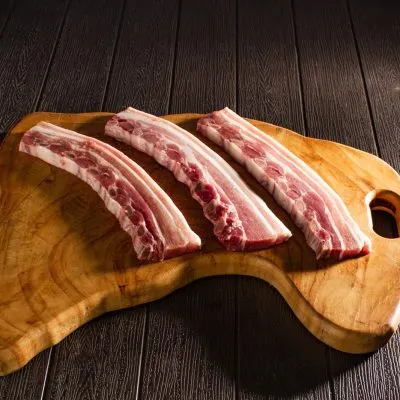
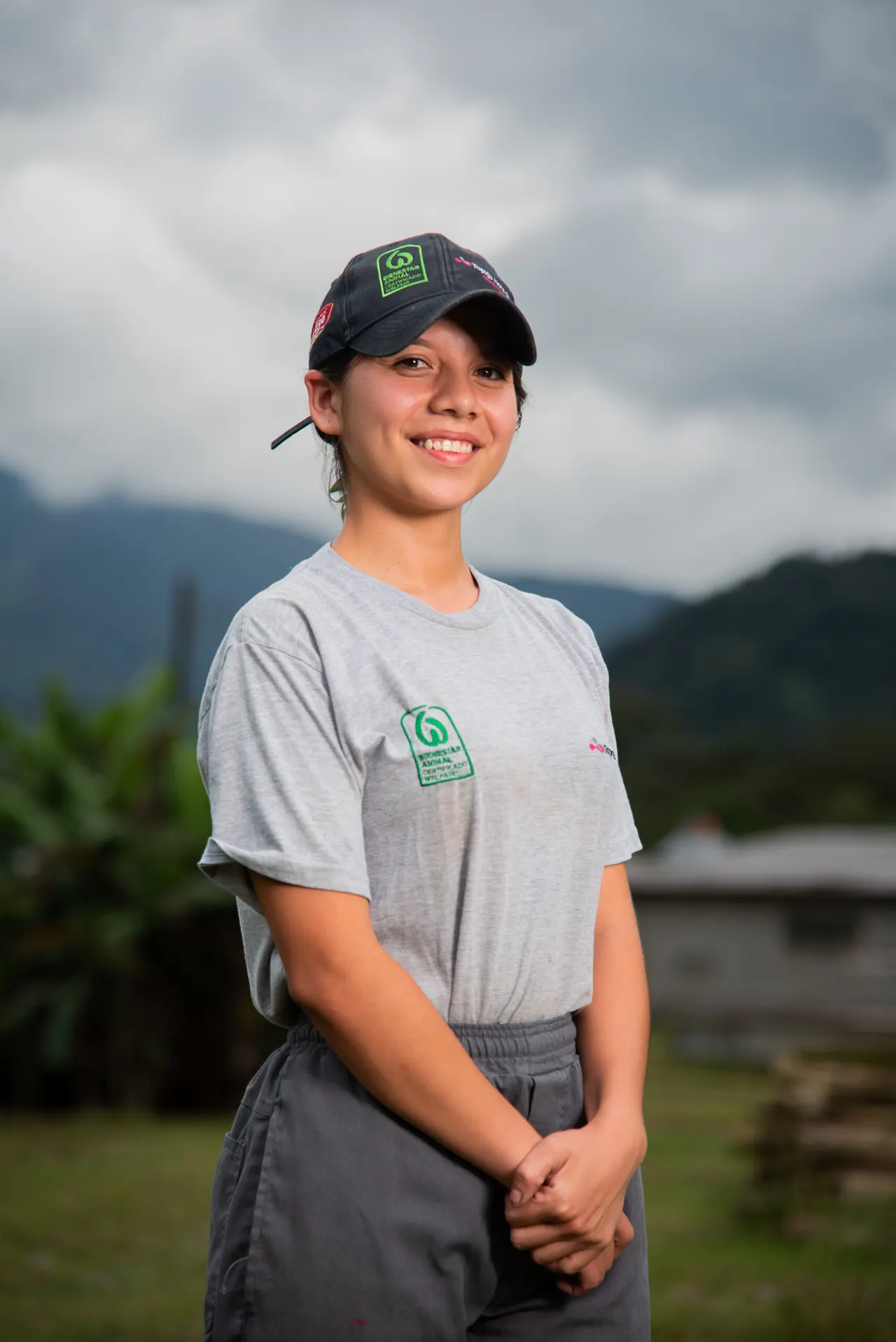
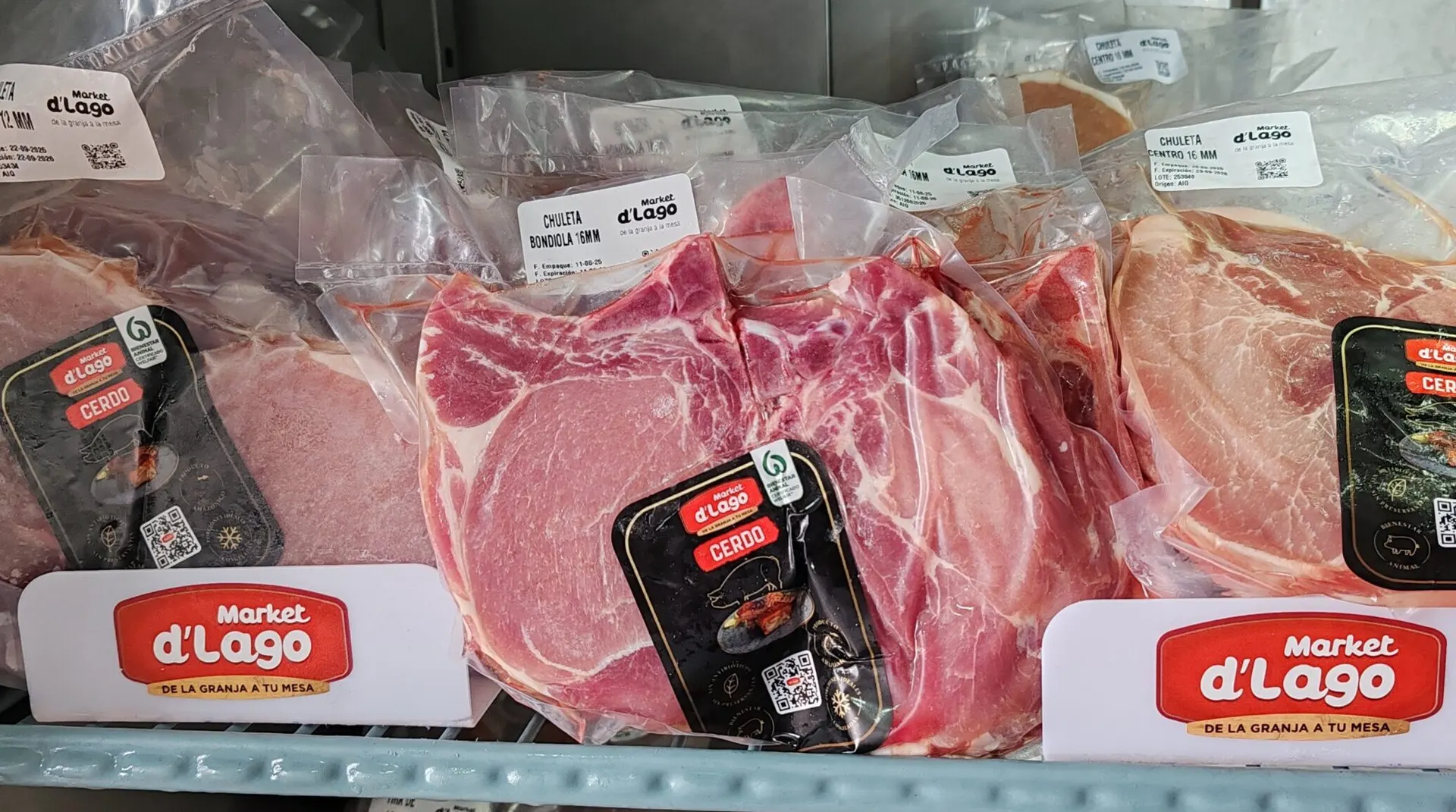
Market d’Lago’s cuts come from the Borja farm, raised under the Welfair Certification, the same pig genetics unit the company expanded in 2010 and where it established the country’s first great-grandparent pig nucleus. The brand states traceability from that farm to the counter on three facts: the animal’s origin, its feed and the conditions under which it was raised before reaching any of the four shops. That farm was the first in Latin America and in Ecuador to obtain the Welfair Certification, which it renewed on 1 August 2025.
What Does the Traceability the Brand States Mean?
Traceability, for Market d’Lago, means knowing three specific facts about each cut: the animal’s origin, the feed it received and the rearing conditions under which it lived on the Borja farm. Agroindustrias González presents this as the basis of the trust and safety it offers the buyer, even before discussing flavour. The Welfair certification of the farm of origin audits animal welfare against 4 principles and 12 specific criteria, a different scope from those three facts, which the brand states on its own.
What Role Does the Team of Advisors Play?
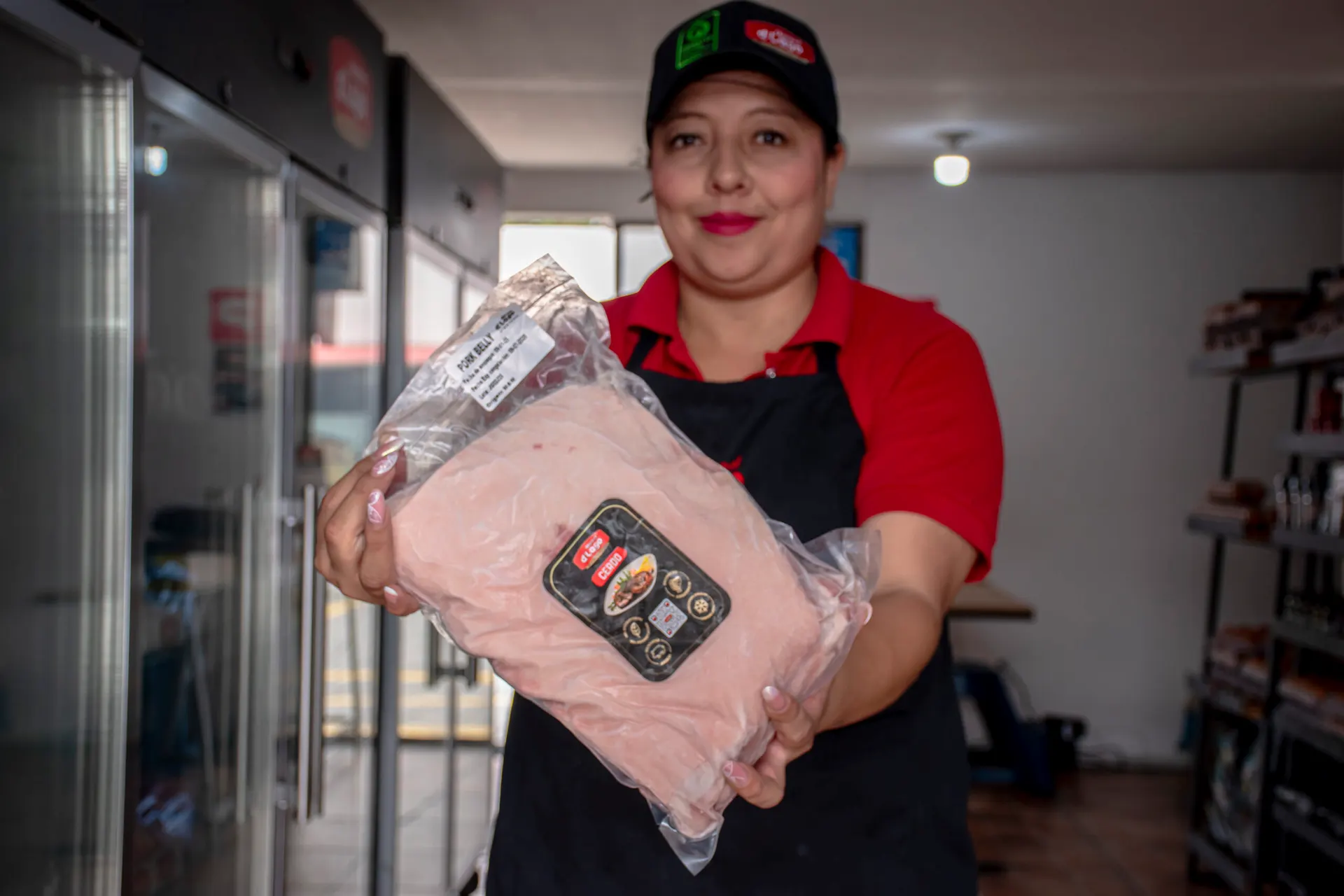
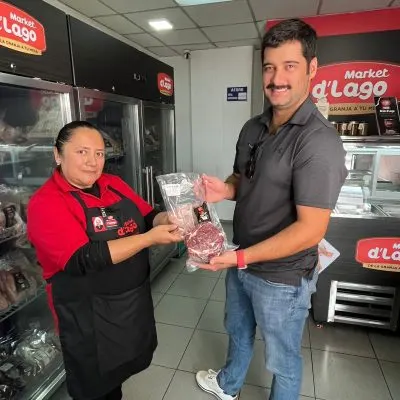
Market d’Lago has a team of advisors trained on an ongoing basis, whose role is to guide the buyer in choosing the right cut for each occasion. The brand also states a presence on Facebook and Instagram, channels that add to direct contact at the counter of the Quito and Lago Agrio shops. That guidance covers everything from selecting the cut to frequent questions about frozen meat, a product the brand also sells in its shops.
How Is the Freshness of Frozen Meat Preserved?
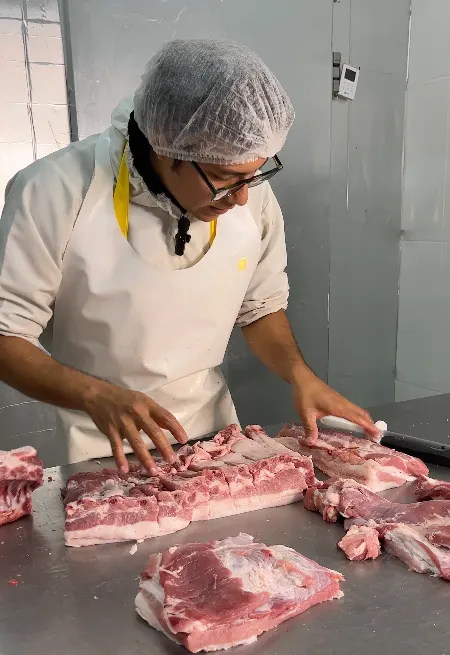
Market d’Lago’s frozen meat goes through a cold chain process that runs from deboning to freezing, as the company presents it. In its article on frozen meat, Agroindustrias González cites the United States Department of Agriculture to support the claim that proper freezing halts bacterial growth and the enzymatic activity that spoils food. The company states in that same text that freezing retains vitamins such as A, D and B1, which can indeed be lost over time in meat that is only refrigerated.
How Does Market d’Lago Manage Water, Waste and Energy?
Agroindustrias González states responsible management of water, waste and energy in the production that sustains Market d’Lago, a principle the company expands on its innovation and social responsibility page. The brand presents that management as the environmental close of the same chain that begins on the Borja farm and ends at the counter. Anyone seeking more information on traceability, visits or direct purchase can reach out through Agroindustrias González’s contact page.
From the farm to the counter
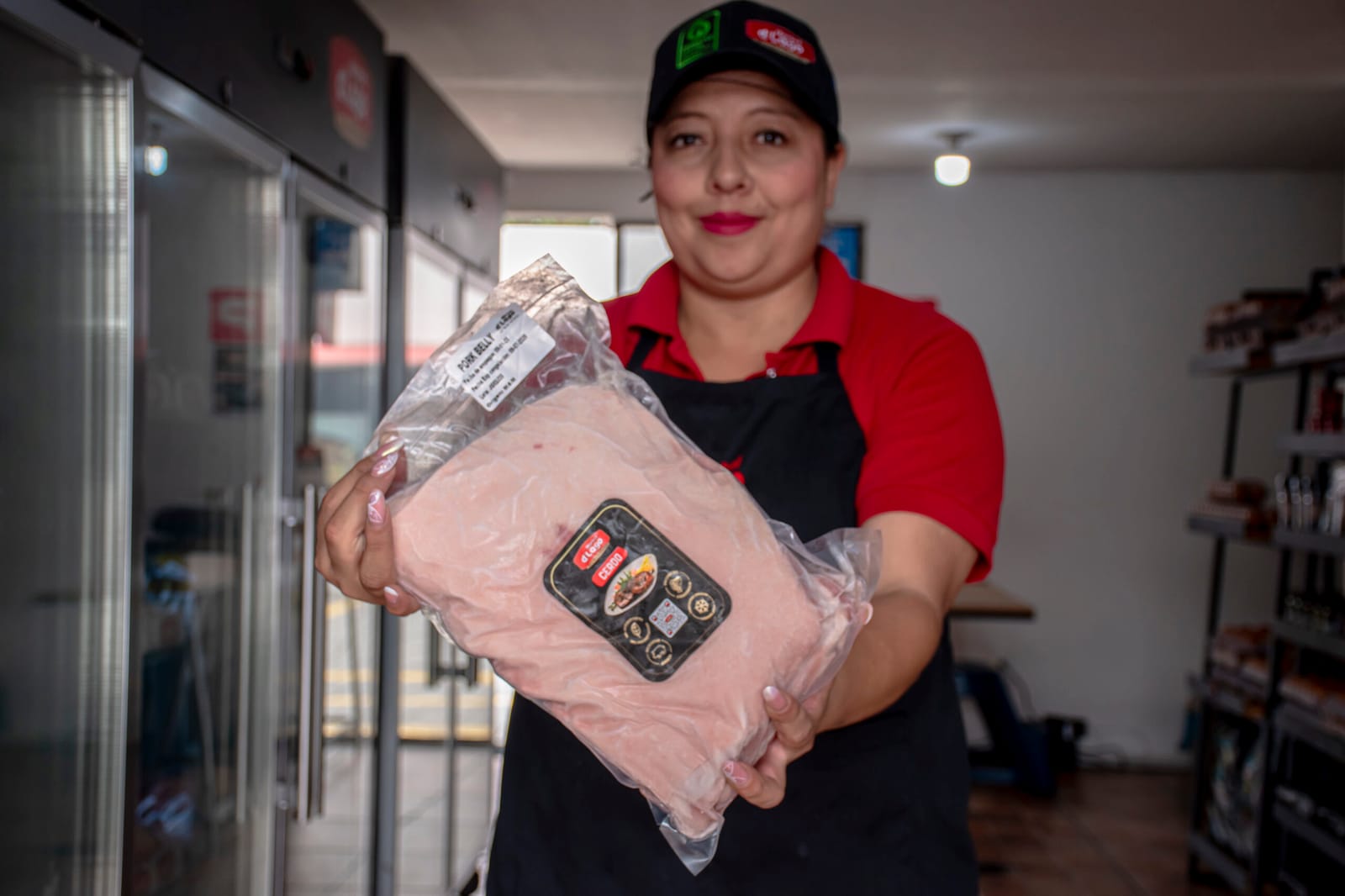
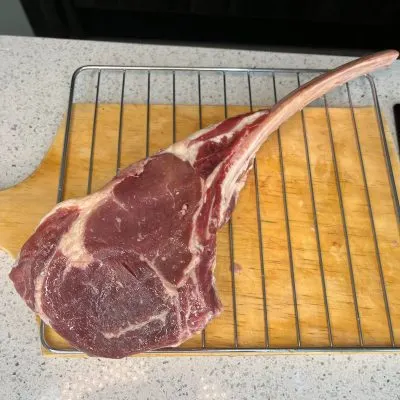
The advisory team is trained to recommend the right cut for each dish. 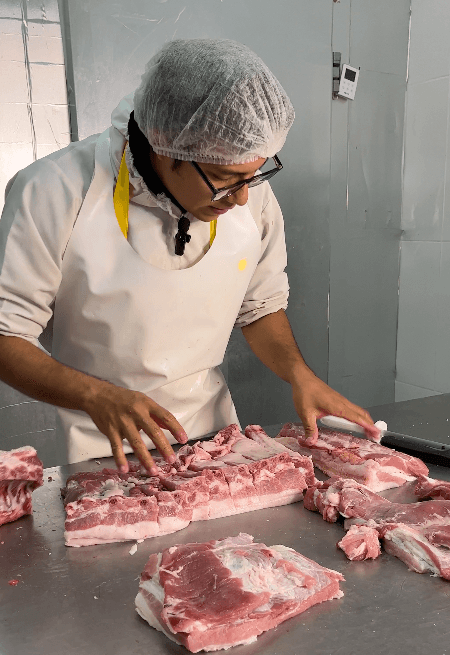
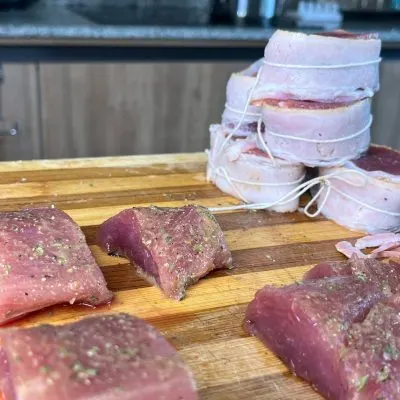
The cold chain is kept from cutting through to freezing. 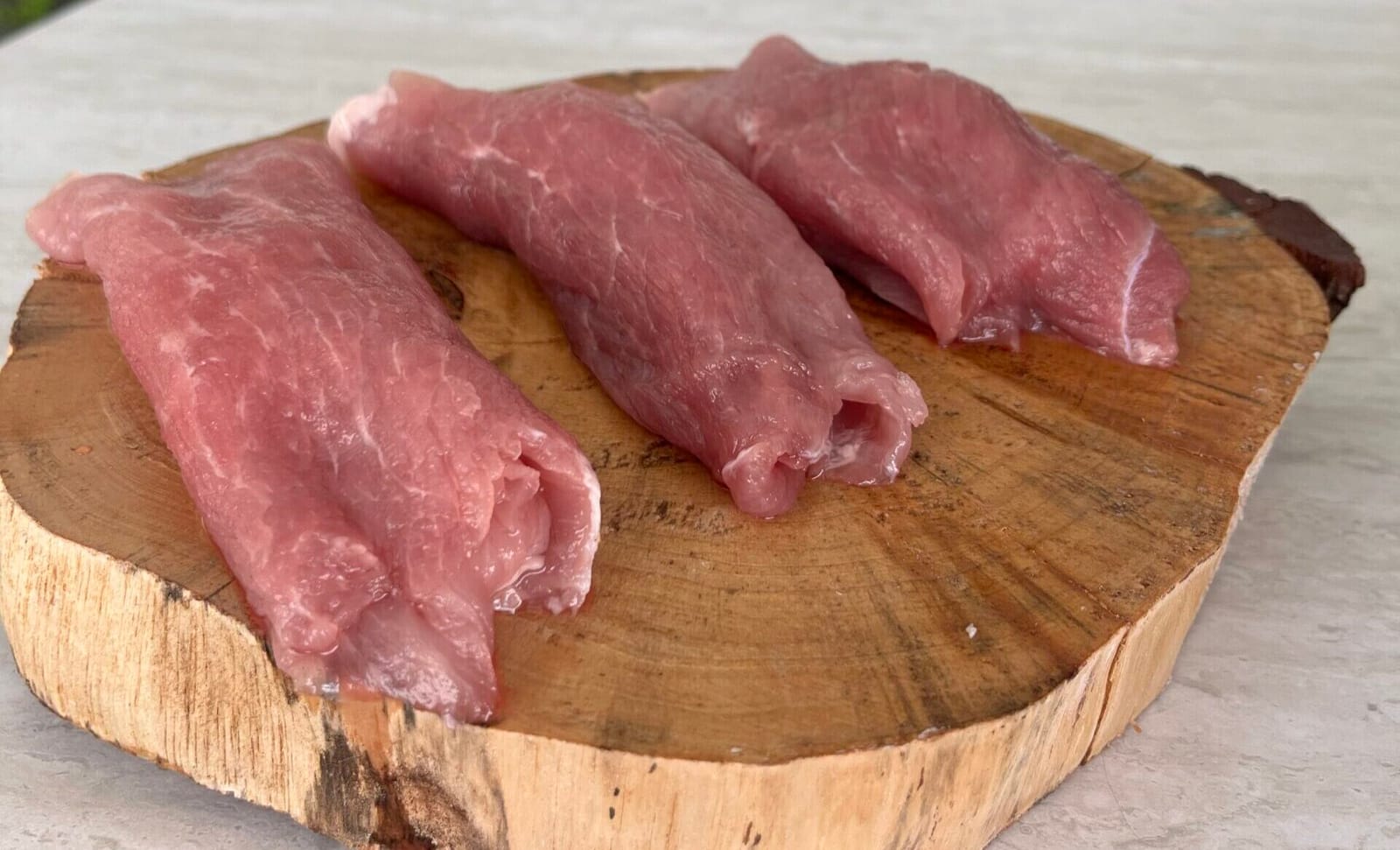
The cuts come from the Borja farm, raised under Welfair certification. 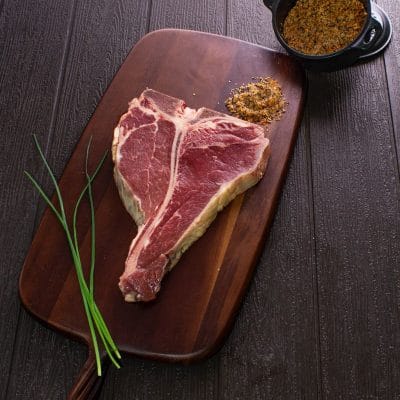
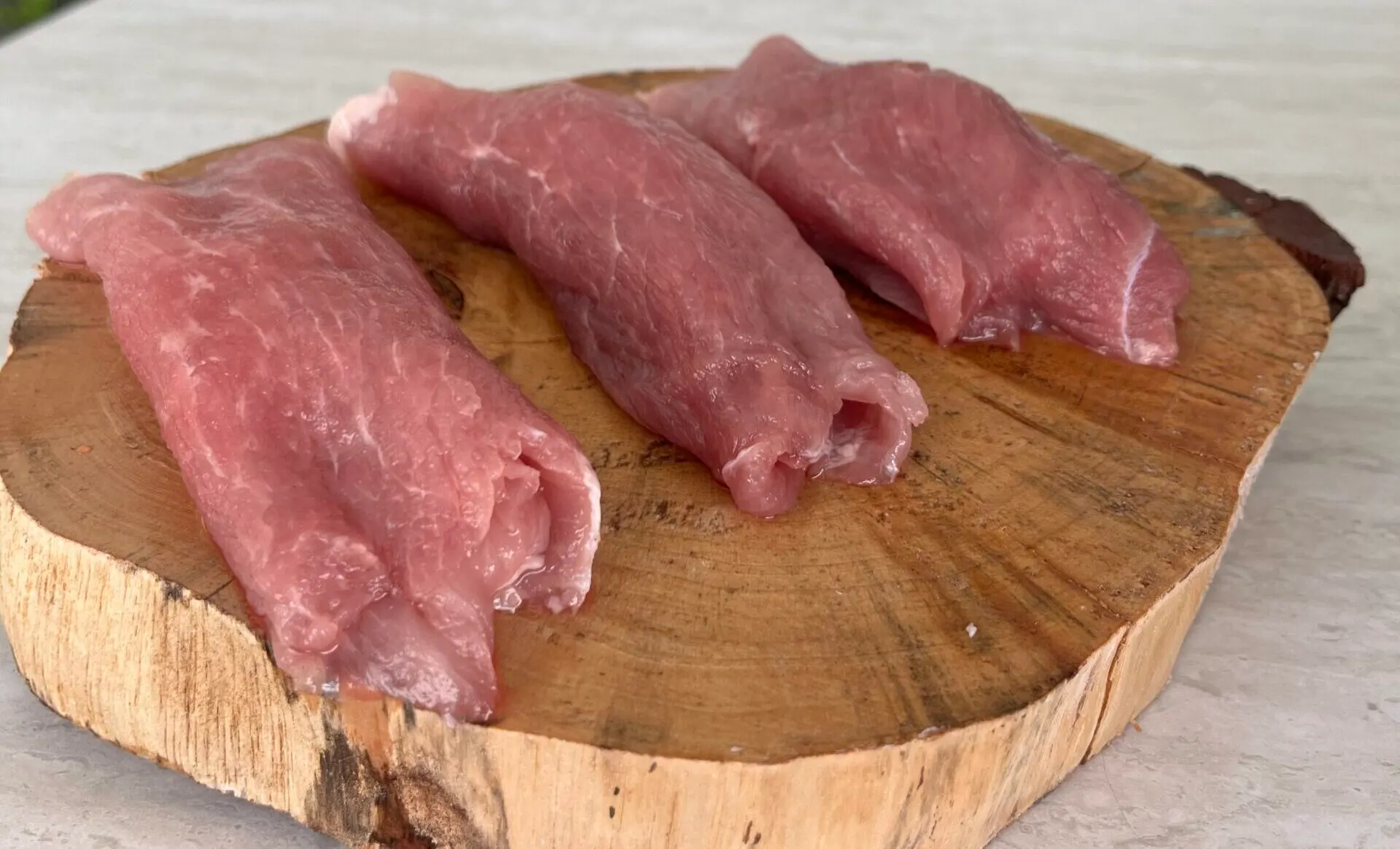
The advisers recommend the cut according to the intended dish. 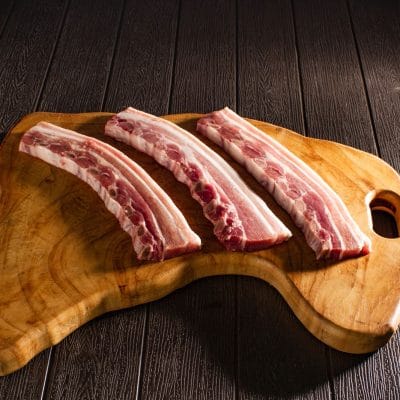
The stated traceability covers the animal origin, its feed and its rearing. 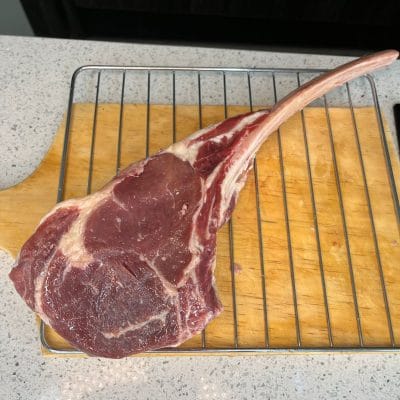
The cuts come from the Borja farm, raised under Welfair certification. 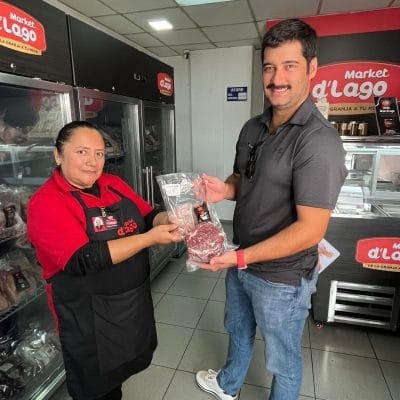
A team of advisers helps customers choose the cut in the shop. 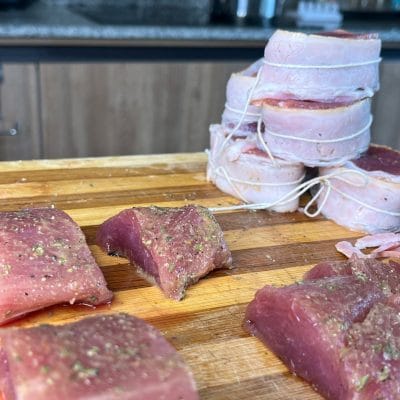
Market d'Lago has four shops: three in Quito and one in Lago Agrio. 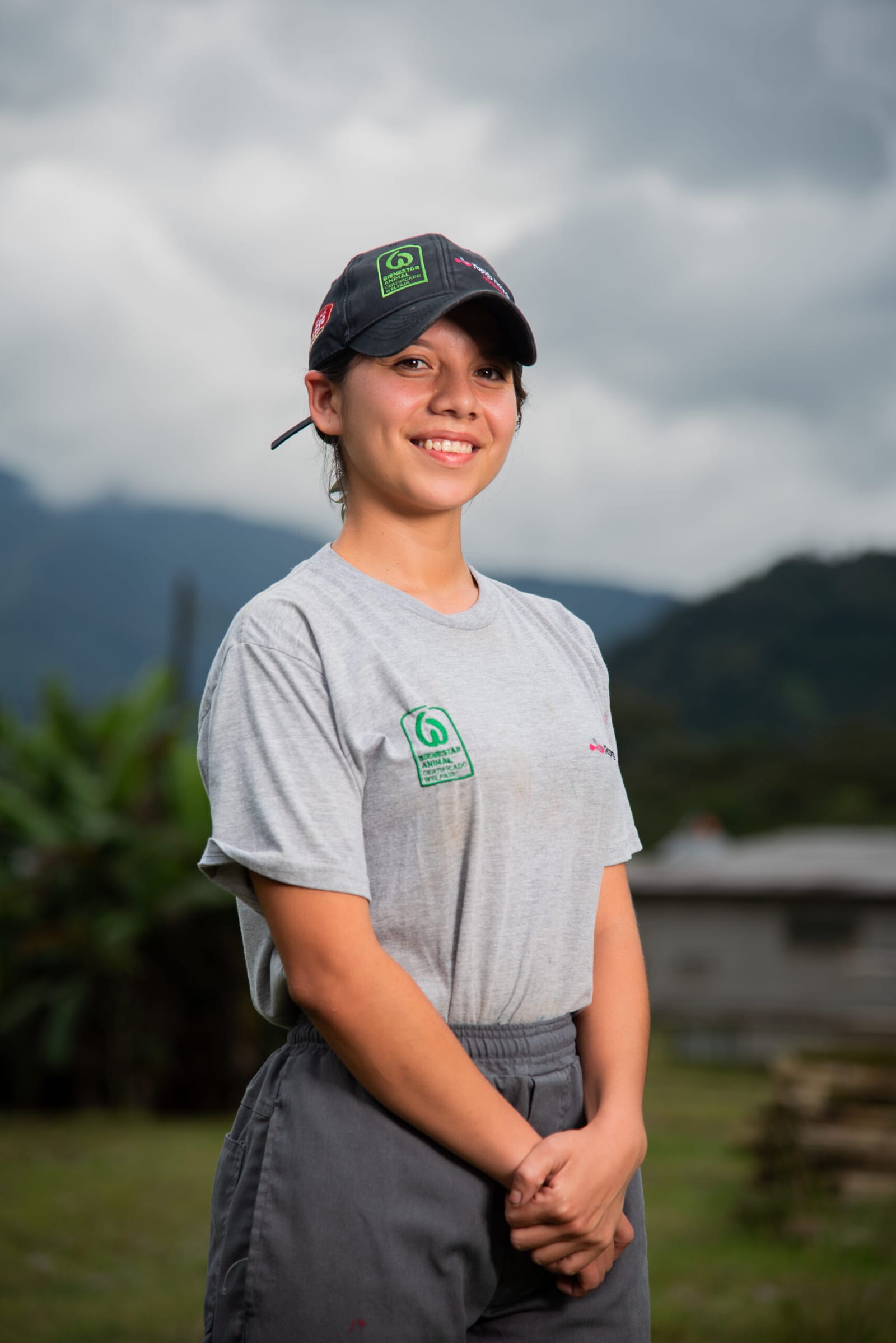
Behind every cut there are people from Lago Agrio, Borja and Quito.