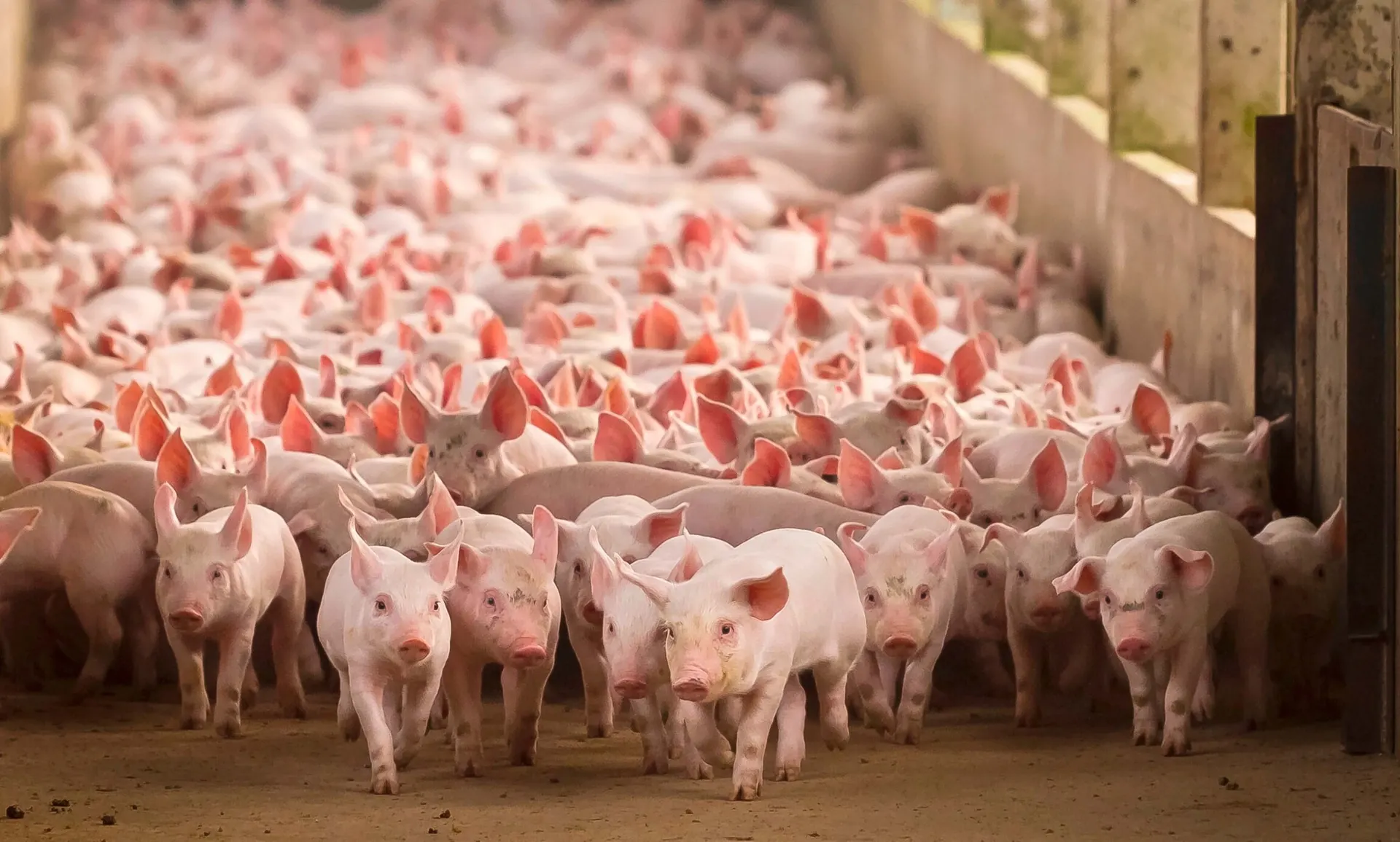
Welfair Certification: Animal Welfare in Borja
What the Welfair certification audits, its 4 principles and 12 criteria, and how it is applied on the Borja farm, the first in Latin America to obtain it.
Pioneers in Animal Welfare in Latin America
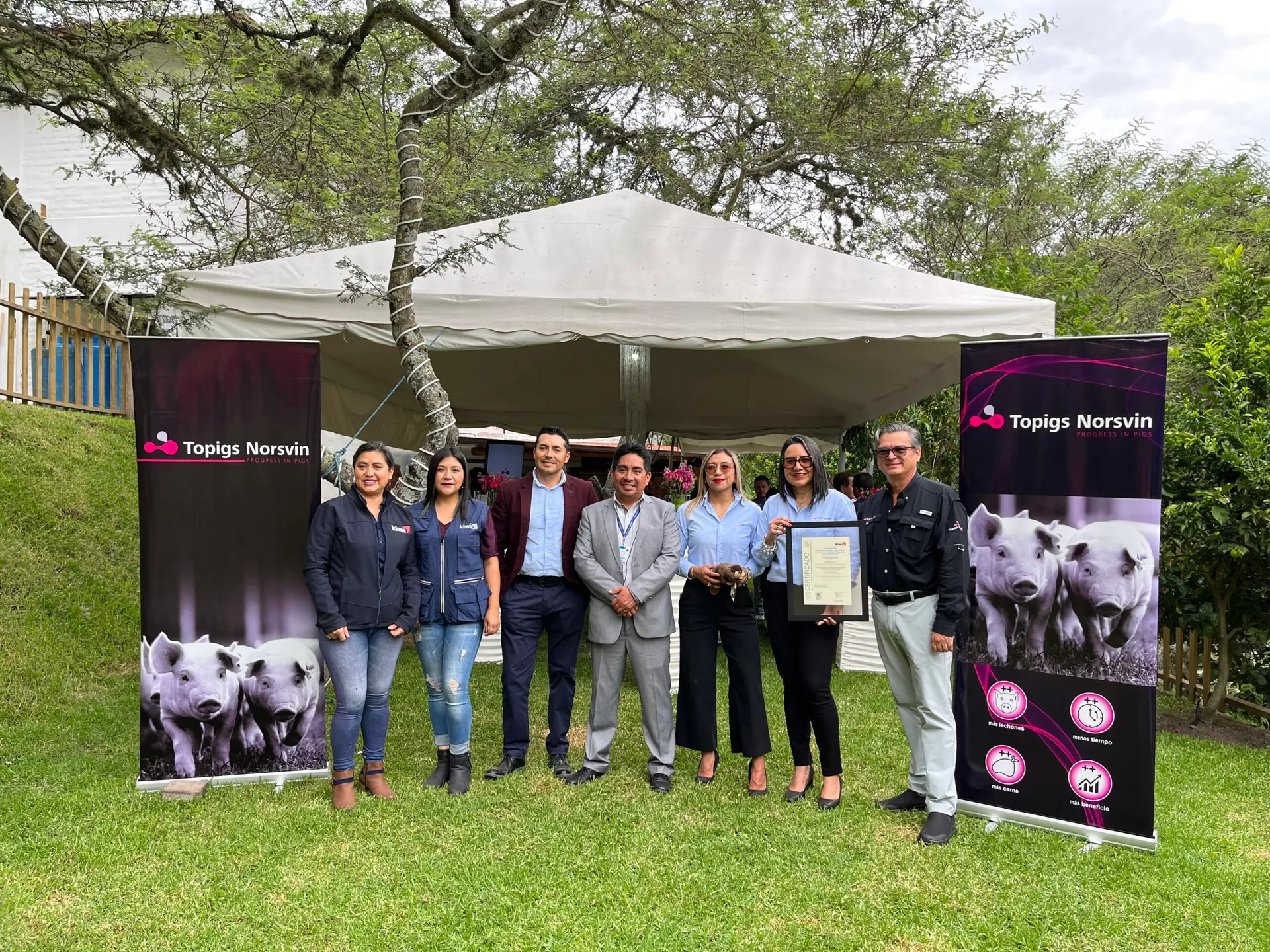
Our Borja pig farm was the first in Ecuador and in Latin America to obtain the international Welfair certification, a seal that assesses animal welfare through independent audits and rigorous scientific criteria.
Certified since 2023 and with the seal renewed in August 2025, we keep up this commitment, showing that producing with excellence also means rearing with responsibility and respect for animal welfare.
What Does the Good Feeding Principle Assess?
The first principle of the Welfair audit ensures that animals have continuous access to water and feed, avoiding stress from prolonged hunger or thirst. Control of feeding and water supply is audited on the Borja farm, where the company expanded its pig genetics unit in 2010 and established the country’s first great-grandparent pig nucleus. Agroindustrias González has been the exclusive representative of Topigs Norsvin in Ecuador since 2005, and that breeding farm is the one that sustains the certification.
What Does the Good Housing Principle Assess?
The second principle audits comfort in the resting area, the appropriate temperature of the environment and the animals’ freedom of movement within their facilities. This criterion connects directly with the pig infrastructure rebuild the company carried out in 2015, when it adopted European animal welfare standards on its farms. The company states that the alliance with Exafan, a Spanish company with more than three decades of experience in Europe, specialising in technology for building and equipping pig farms, will bring climate control, automation, design, equipment and technical support solutions to those facilities.
What Does the Good Health Principle Assess?
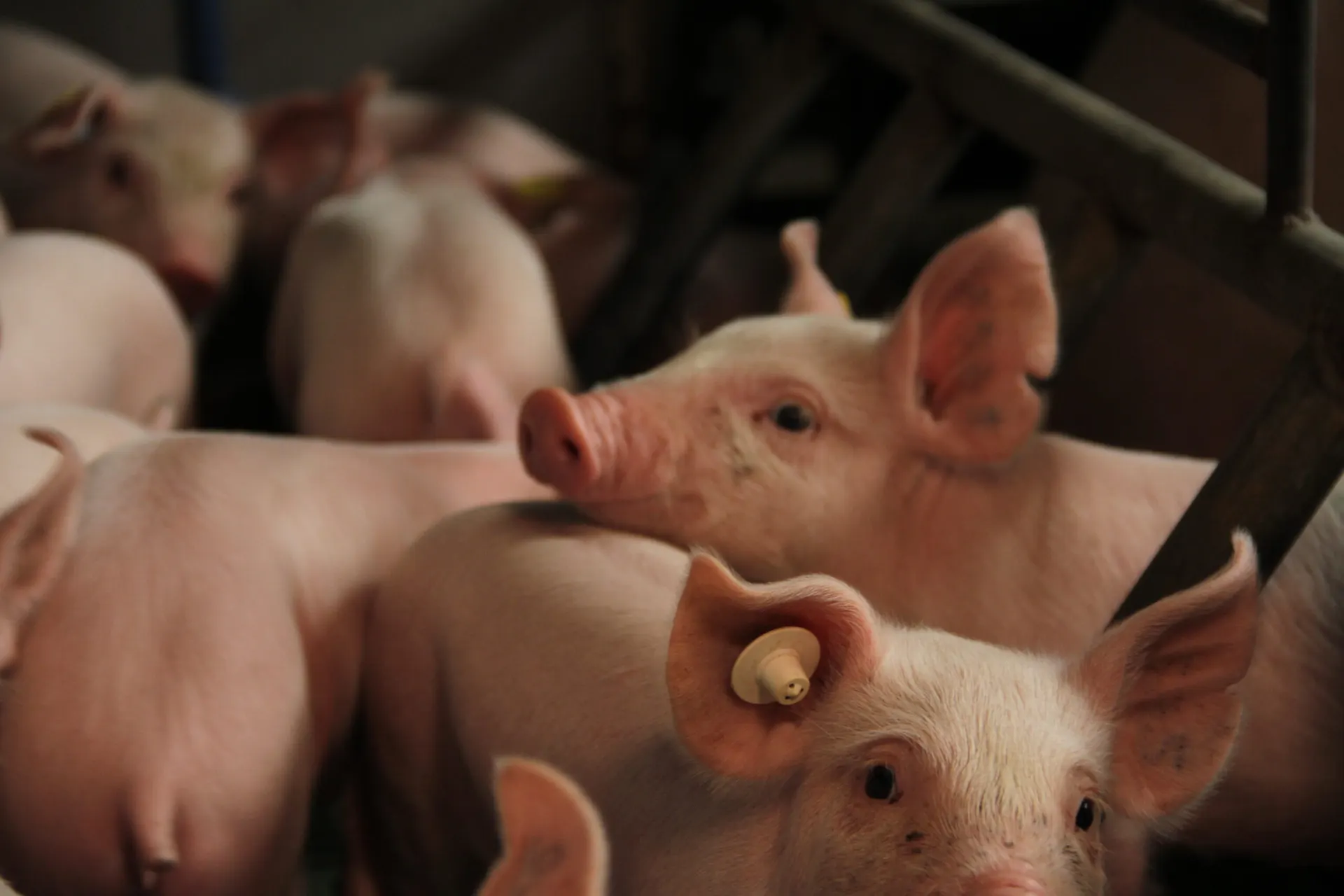
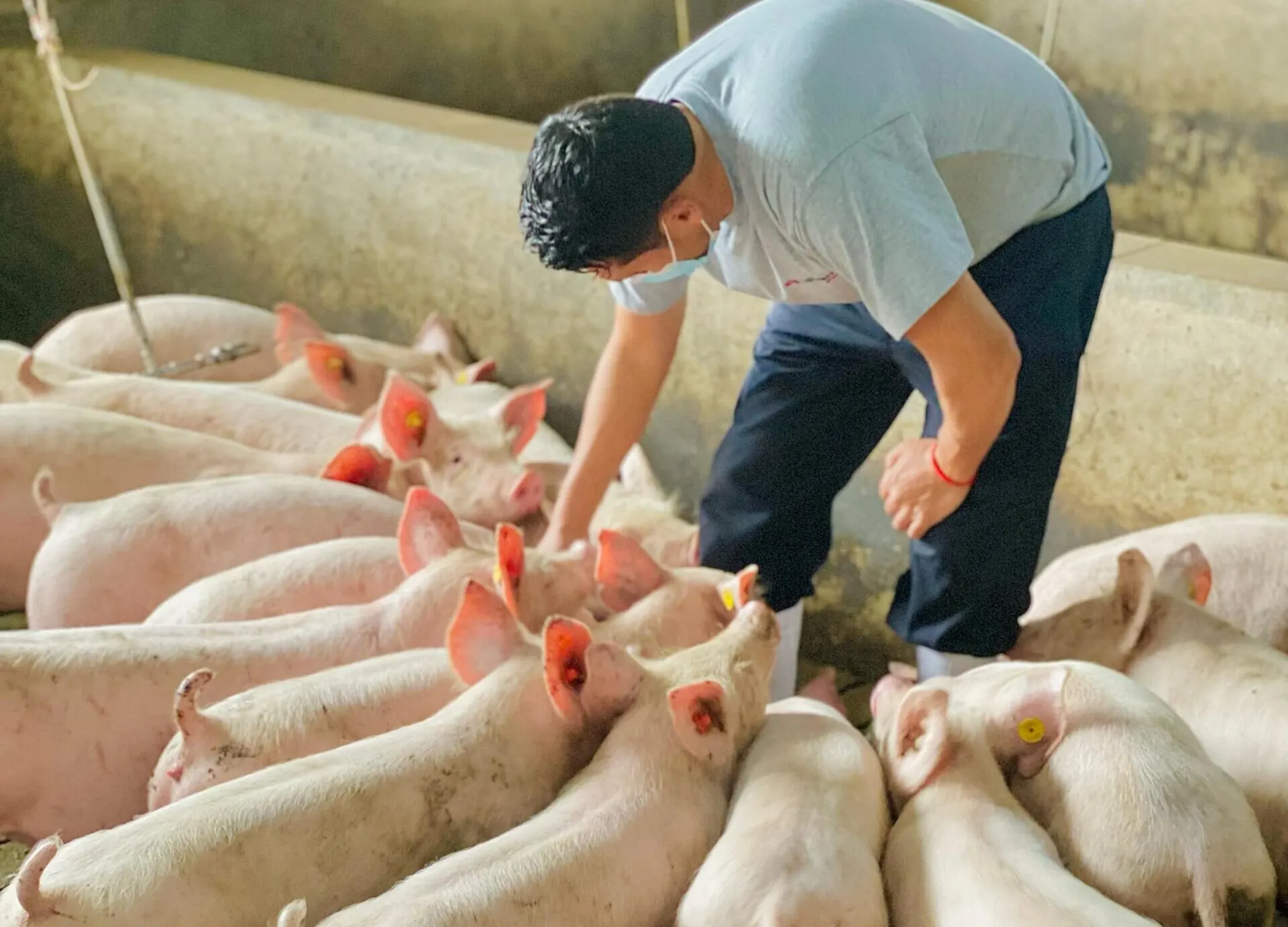
The third principle focuses on ensuring good health, preventing disease and injury and ensuring responsible handling that avoids unnecessary pain or suffering. Prevention, constant care and good handling practices are essential to protect the welfare of the animals.
What Does the Appropriate Behaviour Principle Assess?
The fourth principle promotes appropriate social interaction between animals, the expression of natural conduct and a positive emotional state. It is the criterion most closely tied to the space and design of the facilities, and therefore depends directly on the pig infrastructure the company rebuilt and expanded in 2015, when it adopted European animal welfare standards. The 12 specific criteria the Welfair audit assesses are divided among those 4 principles: good feeding, good housing, good health and appropriate behaviour.
How Does It Differ from a Mandatory Sanitary Inspection?
Unlike regular inspections, the Welfair Certification goes beyond minimum legal requirements and subjects the farm to exhaustive audits carried out by independent external assessors. Agroindustrias González also holds the Good Agricultural Practices Certification, awarded by Agrocalidad. Welfair and Agrocalidad are not the same certification: one is an international animal welfare standard with its own audit, the other certifies good agricultural practices and is awarded by Agrocalidad.
What Does It Mean for a Professional Buyer or a Restaurant?
For a professional buyer, the certification means that each cut comes from animals assessed by independent experts under an auditable protocol, not only on the word of the company. The farm also backs this traceability at the point of sale: Market d’Lago’s cuts come from the Borja farm raised under the Welfair Certification, with the animal’s origin, feed and rearing conditions documented. For a restaurant or a business buying in volume, that backing comes from the first pig farm in Latin America and in Ecuador to obtain the standard, a farm that renewed its certification on 1 August 2025.
What Does It Mean for the End Consumer?
For someone buying at the counter of one of Market d’Lago’s four shops, the certification is a verifiable guarantee that the animal received water and feed without prolonged restriction, comfortable housing, sanitary handling without unnecessary pain, and space for natural behaviour. The company also links lower animal stress with more tender meat and better flavour. Anyone wishing to review these processes in detail can find more specific content in the blog articles dedicated to animal welfare and traceability.
Since When Has the Certification Been in Force in Borja?
The first Welfair certification process on the Borja farm took place on 5 May 2023, a date the company confirms, and the farm renewed its certification on 1 August 2025. In 2026 the company announced the fourth Welfair certification for Núcleo Borja, confirming the standard’s continuity over time. Alongside those dates stands the fact that gives them their weight: Borja was the first pig farm in Latin America and in Ecuador to obtain the standard.
How Does This Relate to the Rest of the Group?
The Welfair certification of Borja applies to the breeding farm of the group’s family of companies, one link in the chain that runs from pig genetics to sales to consumers in Market d’Lago’s shops. For questions about traceability, plant visits or direct purchase, the available channel is Agroindustrias González’s contact page.
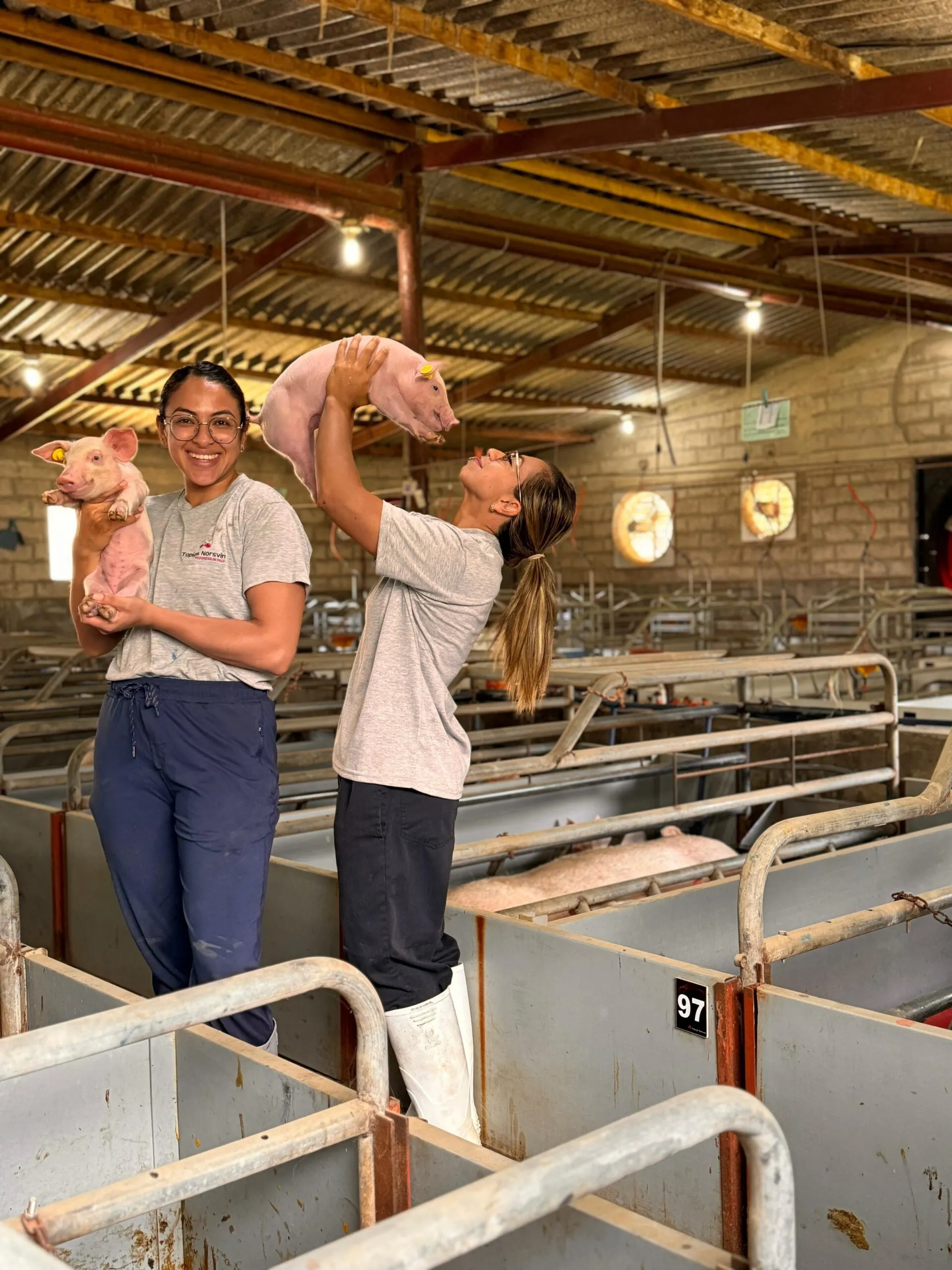
Animal welfare in practice
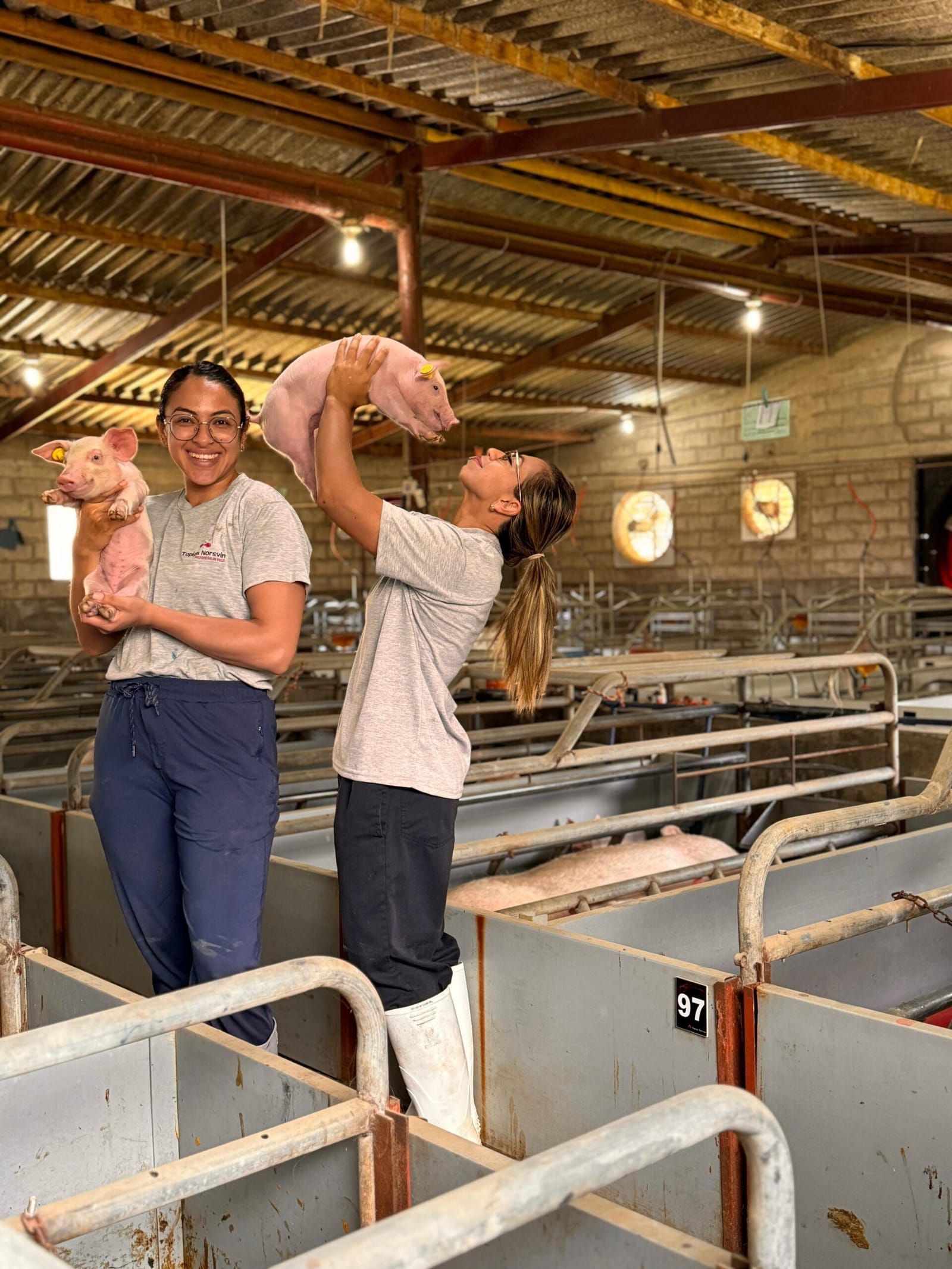
The fourth principle assesses appropriate behaviour and emotional state. 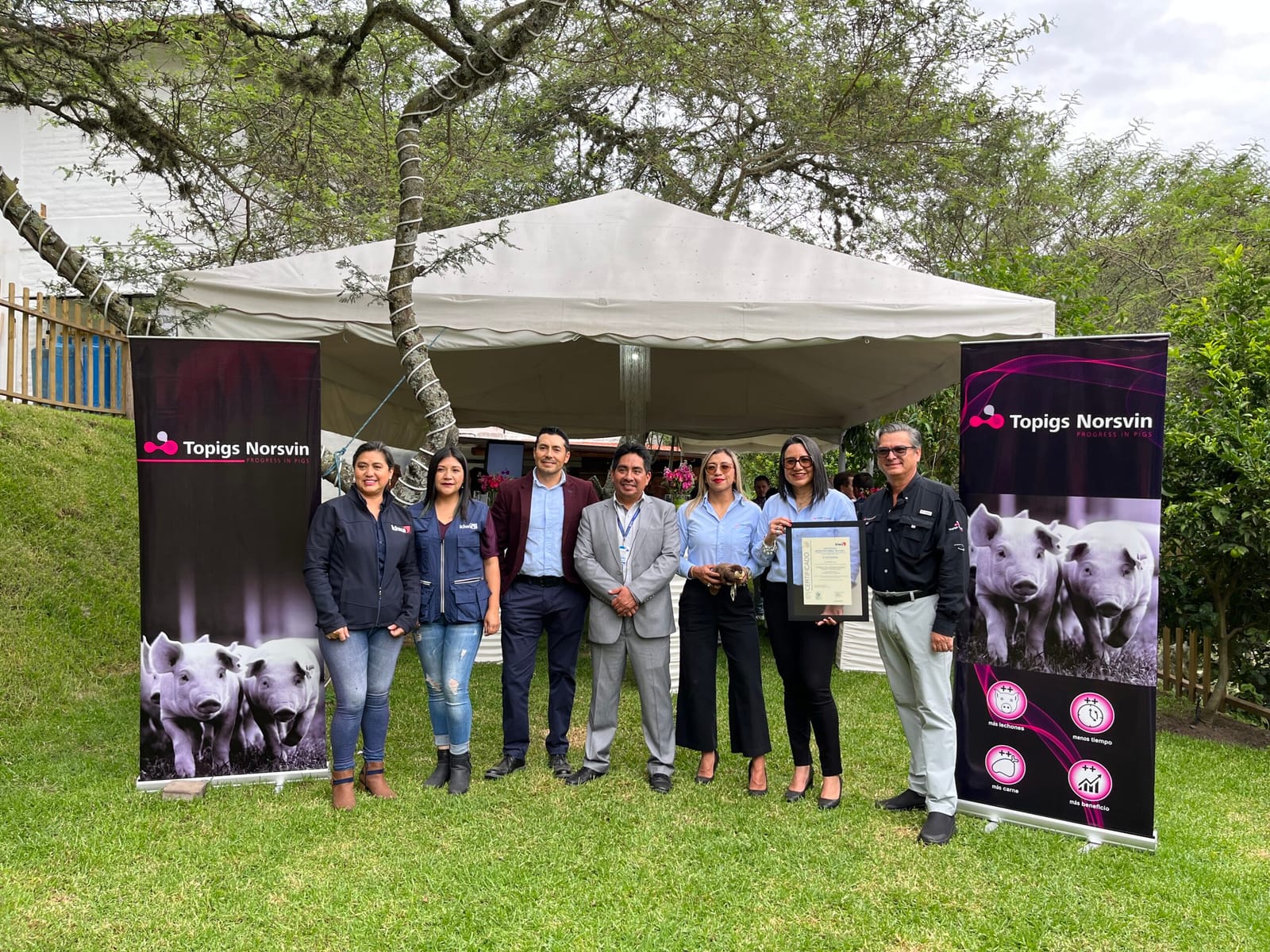
The first farm in Latin America to obtain the certification. 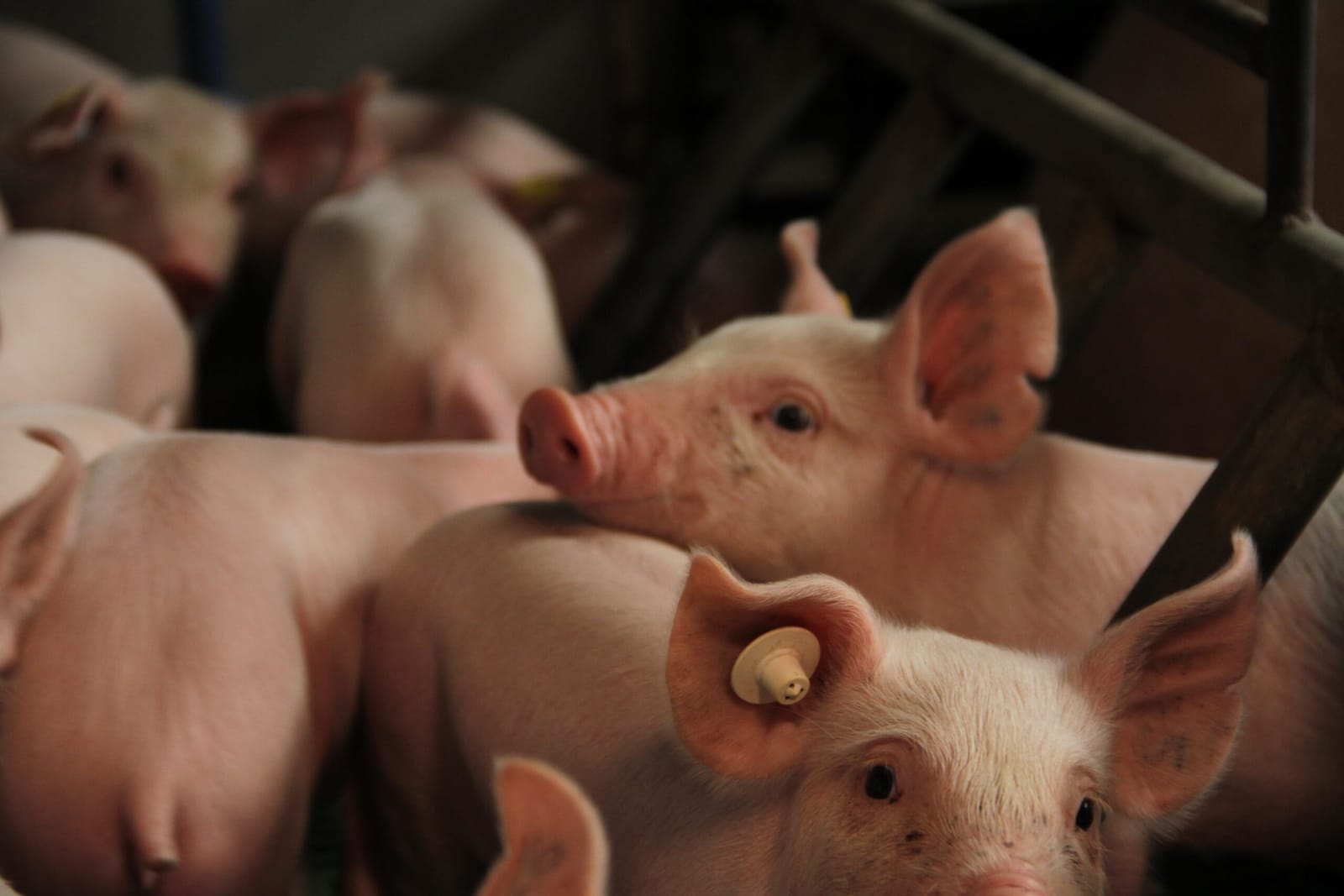
The audit checks for absence of injury and handling without needless pain. 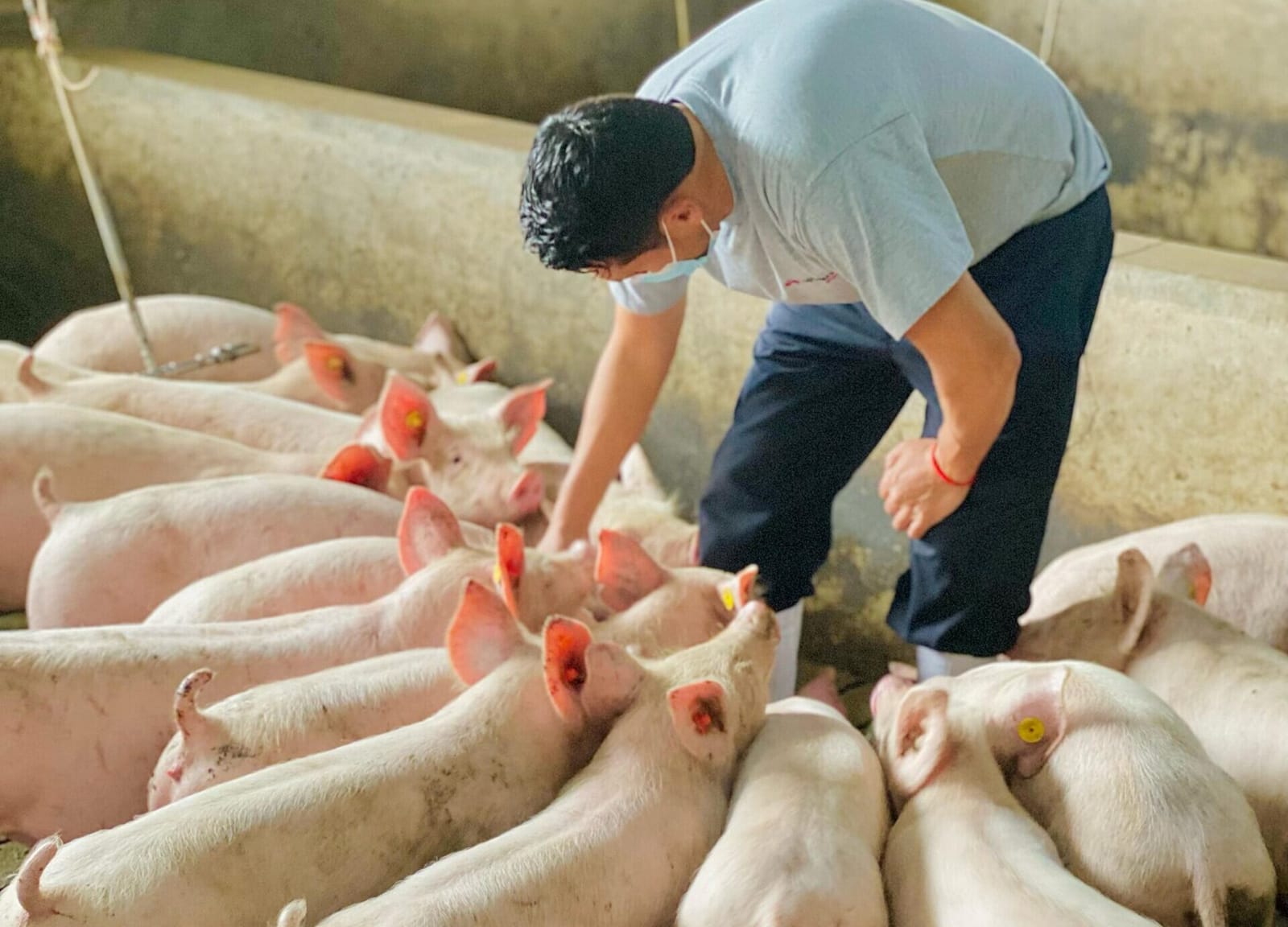
The second principle assesses comfort in the resting area and temperature.