
Innovation and Social Responsibility in the Amazon
Agroindustrias González converts pig manure into methane and biol with a multi-stage biodigester, states that it leaves more than 76% of its Lago Agrio and Borja land under conservation, and holds the Good Agricultural Practices Certification from Agrocalidad.
How Does Agroindustrias González Turn Pig Manure into Energy?
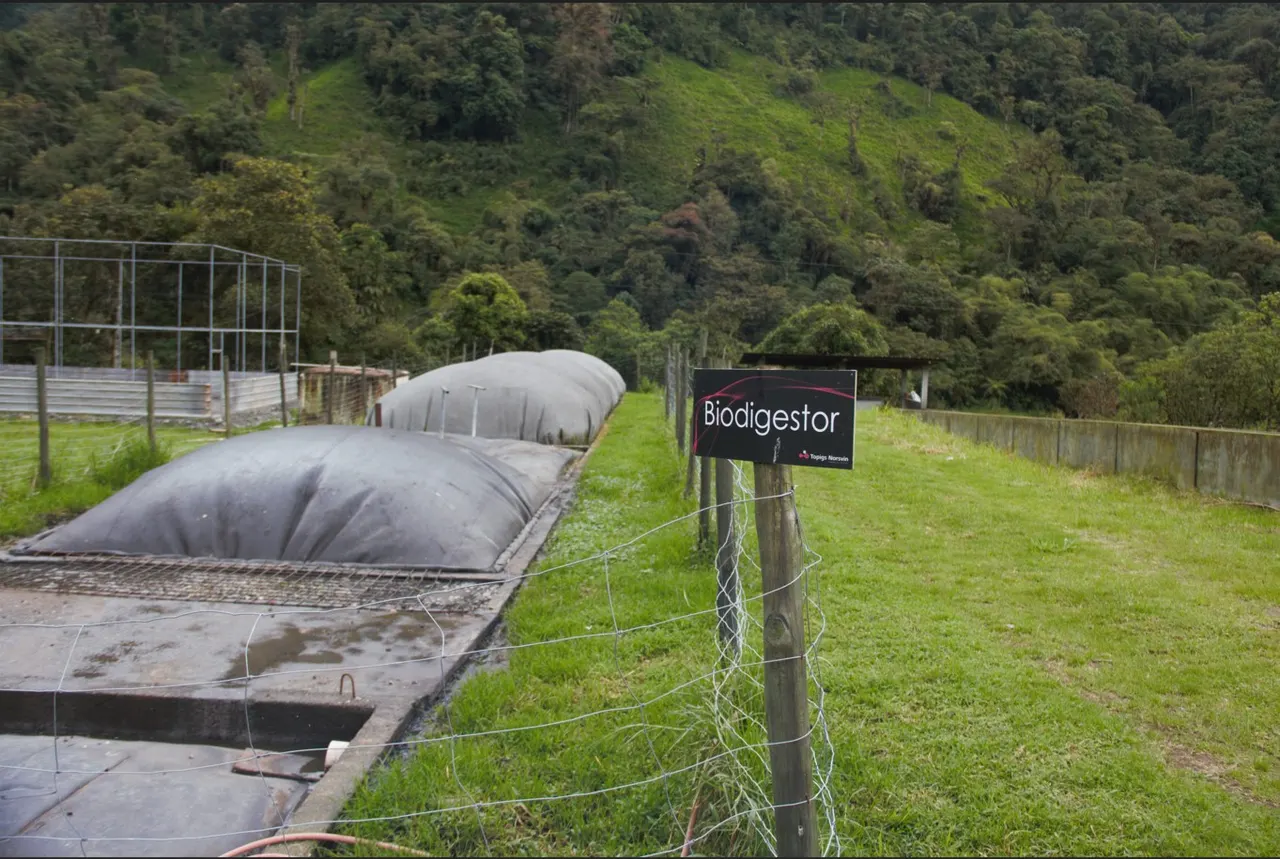
Each kilo of pork produced on the company’s farms generates between 3 and 4 kilos of manure, according to figures the company itself states. A multi-stage anaerobic biodigester breaks down that manure in a closed pool, without oxygen, where anaerobic bacteria release methane. The gas is used to heat farrowing units and piglets, a key process for keeping the piglets in a warm and comfortable environment. The company raises pigs in Lago Agrio, where it produces fattening pigs alongside tilapia and paiche, and at the Borja nucleus farm, where it specialises in pig breeding.
How Much Biol Does the Process Produce and Who Benefits?
The same biodigester generates between 5 and 10 cubic metres of biol daily, a liquid organic fertiliser that takes 15 days to complete its treatment process before it is ready for use. Agroindustrias González donates the biol to neighbouring farmers, who apply it on paddocks and gardens in the Amazon area. This steady production turns a by-product of pig farming into a resource that circulates to the community neighbouring the facilities.
Where Did the Biodigester the Company Now Uses Come From?
Agroindustrias González’s first biodigester began as a school project by Jorge González, founder of the company and engineer from Zamora who started agro-industrial activity in Lago Agrio in 1995. That initial design was refined over the years into the multi-stage anaerobic biodigester that now operates on the group’s farms. The company identifies Jorge González as the creator of this system, part of the history summarised on Agroindustrias González’s about us page.
What Prevents Farm Waste from Reaching the Rivers?
The multi-stage anaerobic biodigester prevents waste from pig production from seeping into the rivers, according to the company. The closed treatment of the manure takes 15 days and delivers two products that leave the circuit: the methane that heats farrowing units and piglets, and the biol the company donates to neighbouring farmers. Agroindustrias González also states responsible management of water, waste and energy in the production that supplies Market d’Lago.
What Agricultural Certification Backs Production, Besides Animal Welfare?
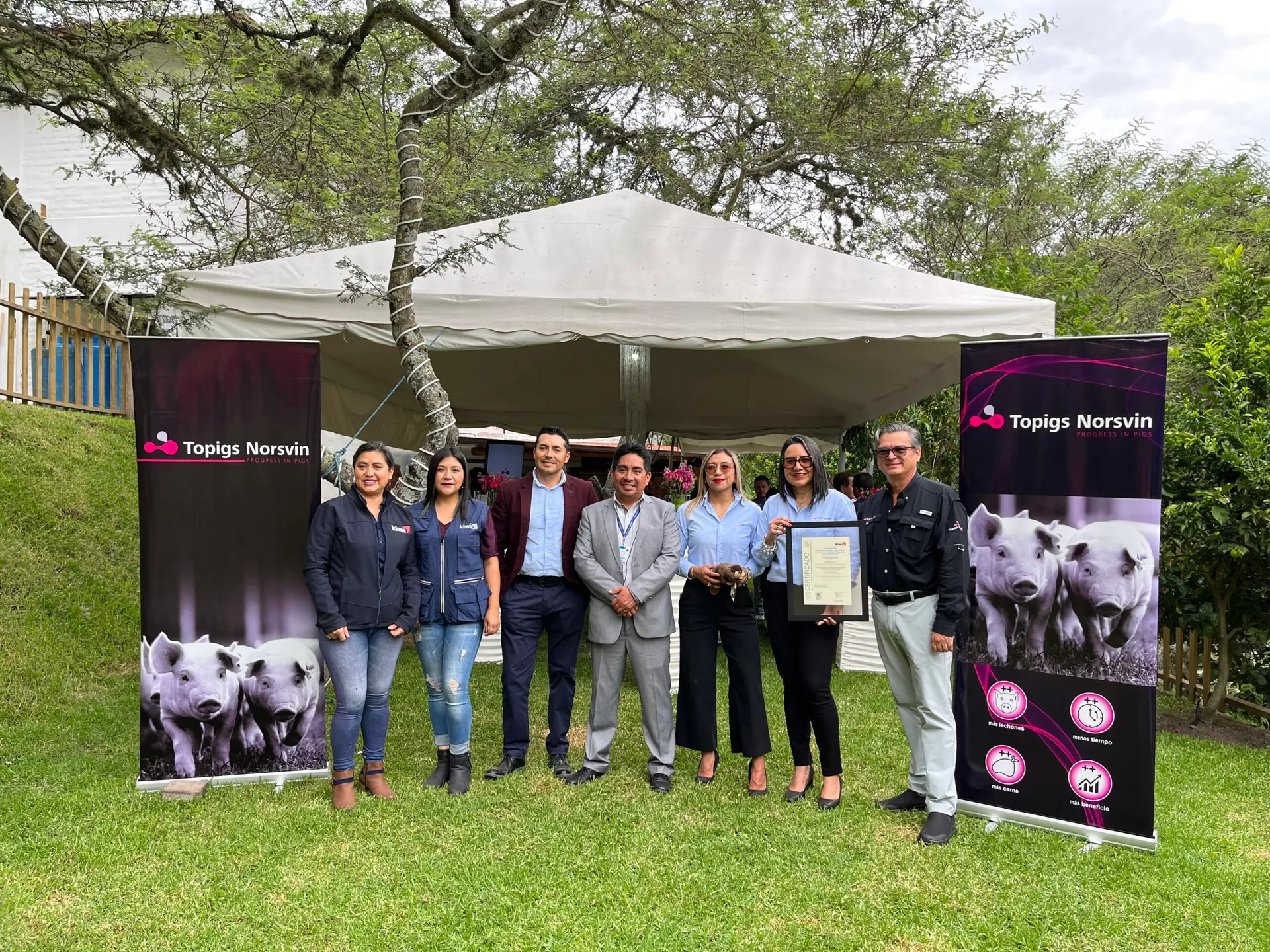
Agroindustrias González holds the Good Agricultural Practices Certification, awarded by Agrocalidad. That recognition adds to the Welfair animal welfare certification held by the Borja farm, whose principles and criteria are detailed on the animal welfare page. The first Welfair certification process for that farm took place on 5 May 2023, and the certification was renewed on 1 August 2025. The company presents the Welfair Certification as a guarantee of compliance with European animal welfare standards, and states that it continues working to obtain new certifications and recognitions, without yet naming which ones.
How Much Land Do the Farms Cover and How Much Is in Production?
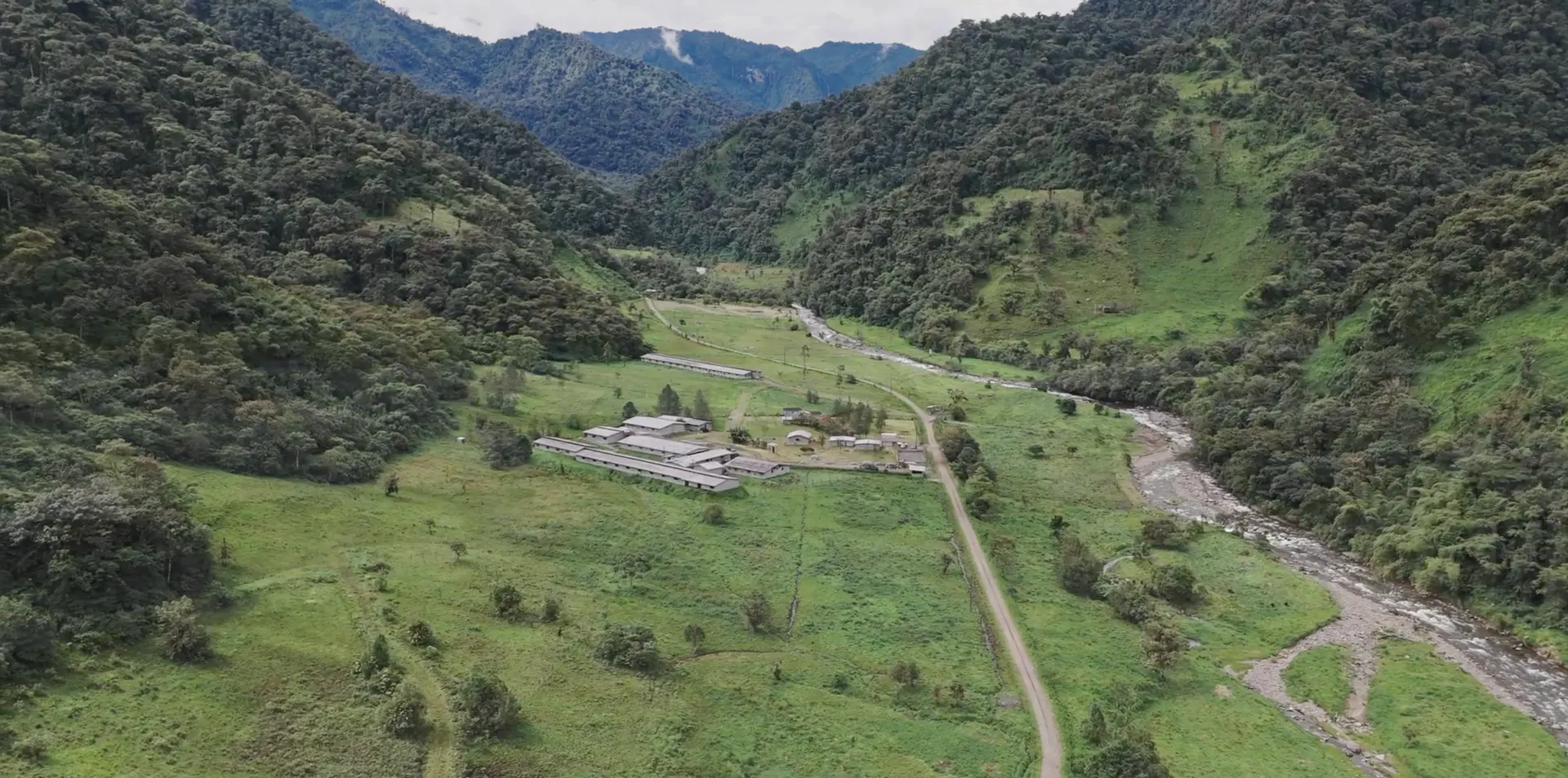
Lago Agrio covers 110 hectares, 15 of them in production: pigs, fish, sugarcane and pasture. Borja covers 172 hectares, 40 of them in production, alongside the pig genetics nucleus that is part of the group’s family of companies. Across the two farms that comes to 282 hectares, of which 55 are in production and the rest is not. Agroindustrias González states that it leaves more than 76% of the area under conservation, a natural barrier around the pig farms and fish ponds since the company’s beginnings.
What Wildlife Is Seen in the Forests the Company Conserves?
In the forests conserved by the company, spectacled bears, capybaras, pacas and several species of monkeys are observed, according to the article Agroindustrias González dedicates to its production in the Amazon. The company states that it has preserved these forests since its beginnings, around the pig farms and the ponds where it farms tilapia and paiche. The observation of these species comes from the company’s own account, not from a biological inventory carried out by a third party.
Why Did Fish Farming Replace Fishing with Barbasco and Dynamite?
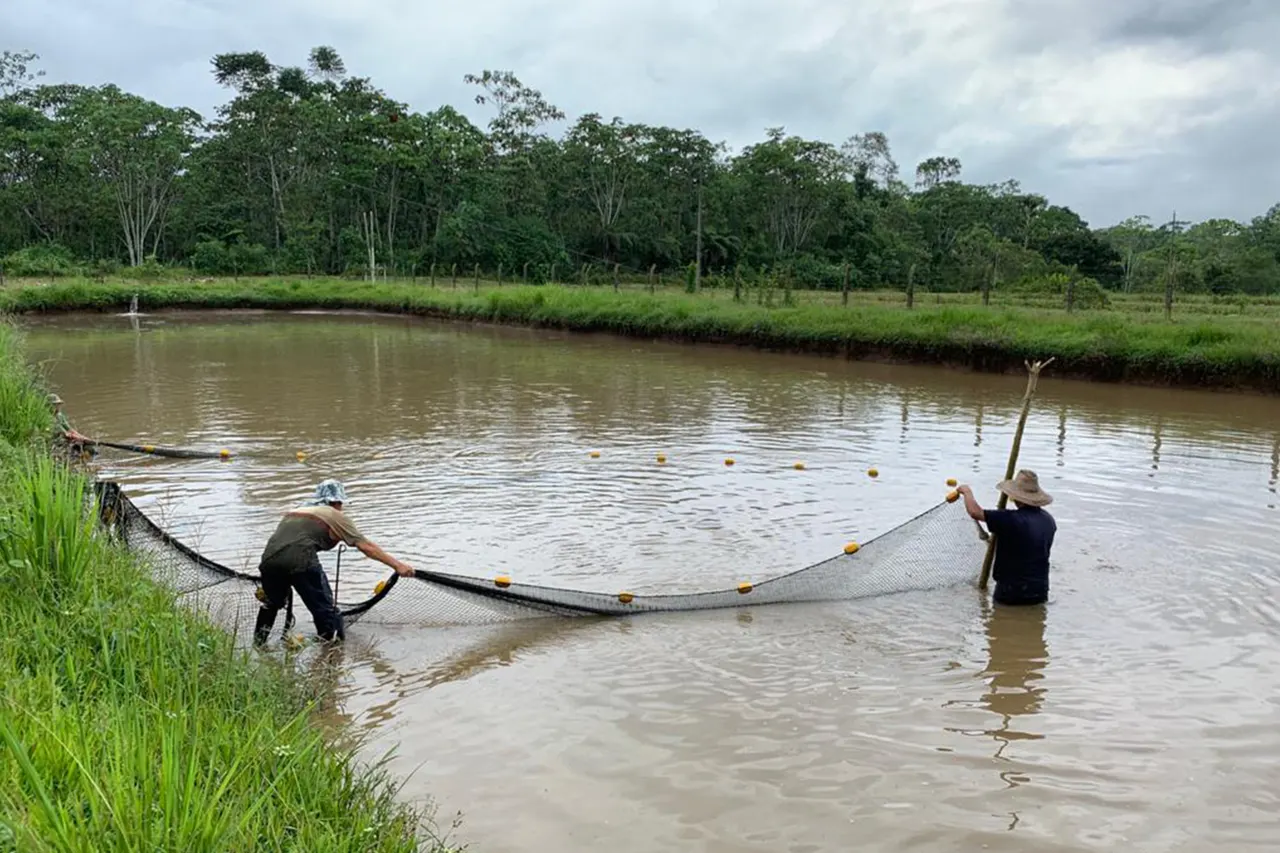
Tilapia farming, with which Agroindustrias González began its activity in Lago Agrio in 1995, and the paiche production the company develops in the same area, are presented as a historical alternative to aggressive fishing practices, such as the use of barbasco or dynamite in the region’s rivers.
What Does the Alliance with Exafan Contribute to the Farms’ Infrastructure?
Exafan, a Spanish company with more than three decades of experience in Europe, specialising in technology for the construction and equipping of pig farms, contributes design, equipment, climate control, automation and technical support solutions to Agroindustrias González. The alliance will bring that technology to the farms where the biodigester operates and where the pig genetics nucleus is raised, a model that already combines animal welfare, waste management and forest conservation. Exafan Ecuador, the new business unit of that alliance, was presented in Guayaquil in the run-up to the Ecuador 2025 Pig Farming Business Meeting.
How Does This Model Translate into Training for the Region?
In 2000, Agroindustrias González imported high genetic quality tilapia from the United States and, in partnership with the Nueva Loja prefecture, trained more than 2,000 people in tilapia handling and production, and promoted tilapia farming in eastern Ecuador. That large-scale training connects productive innovation with a direct benefit for the Amazon community. Anyone wishing to buy at Market d’Lago or resolve questions about this management can do so through the company’s contact page.
Innovation and surroundings
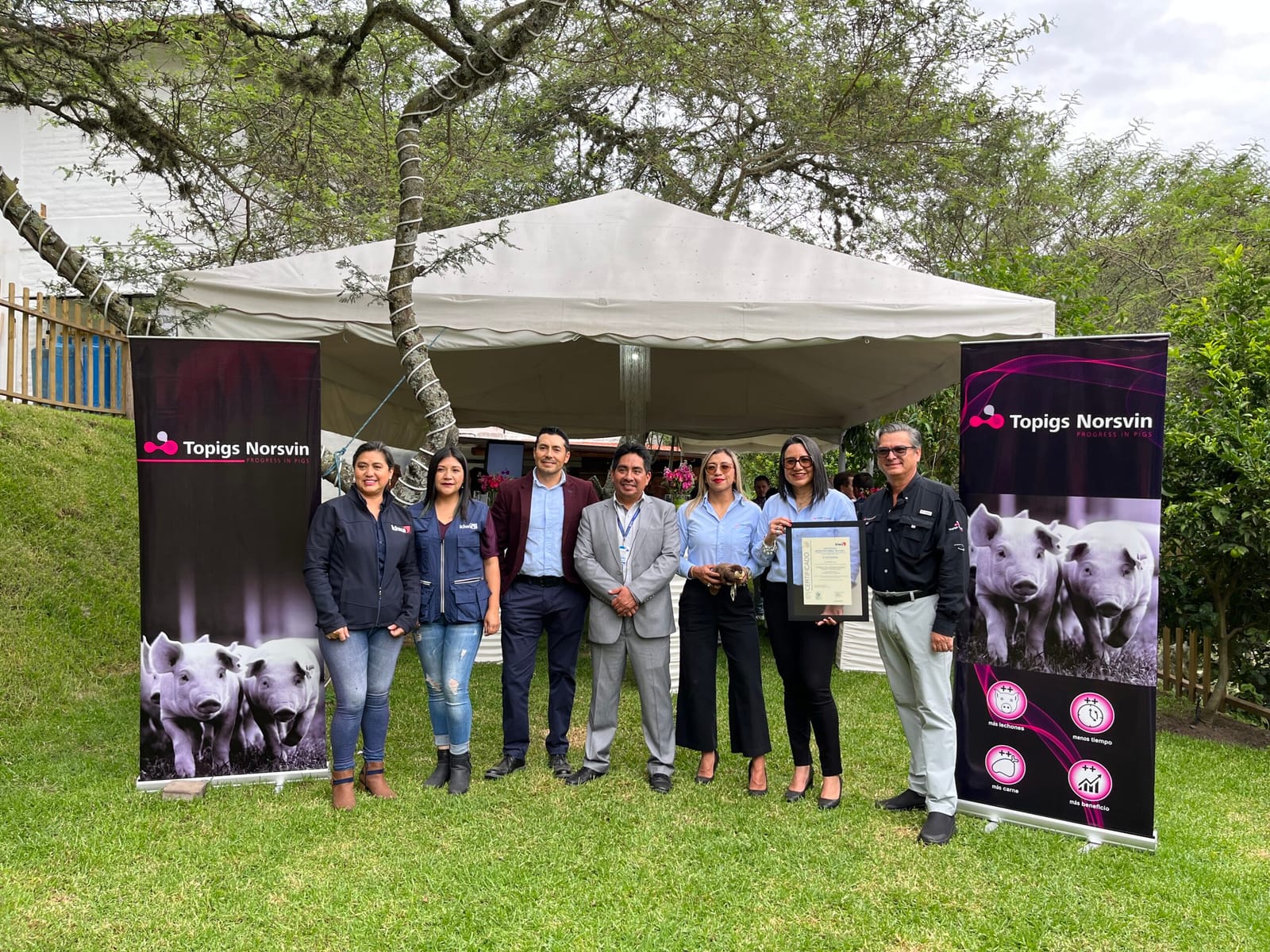
The certification was renewed on 1 August 2025. 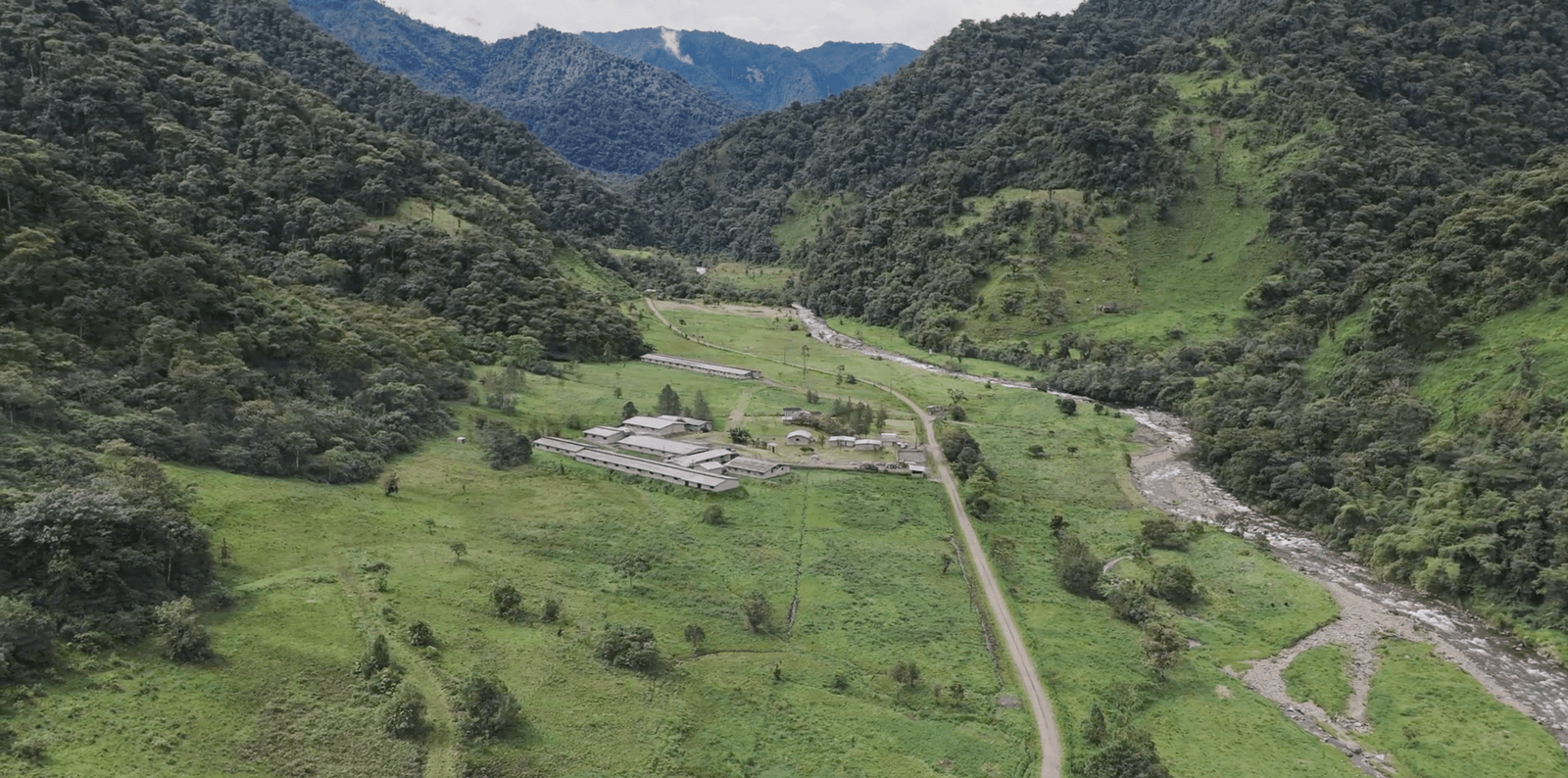
The company states it keeps more than 76 % of its land under conservation. 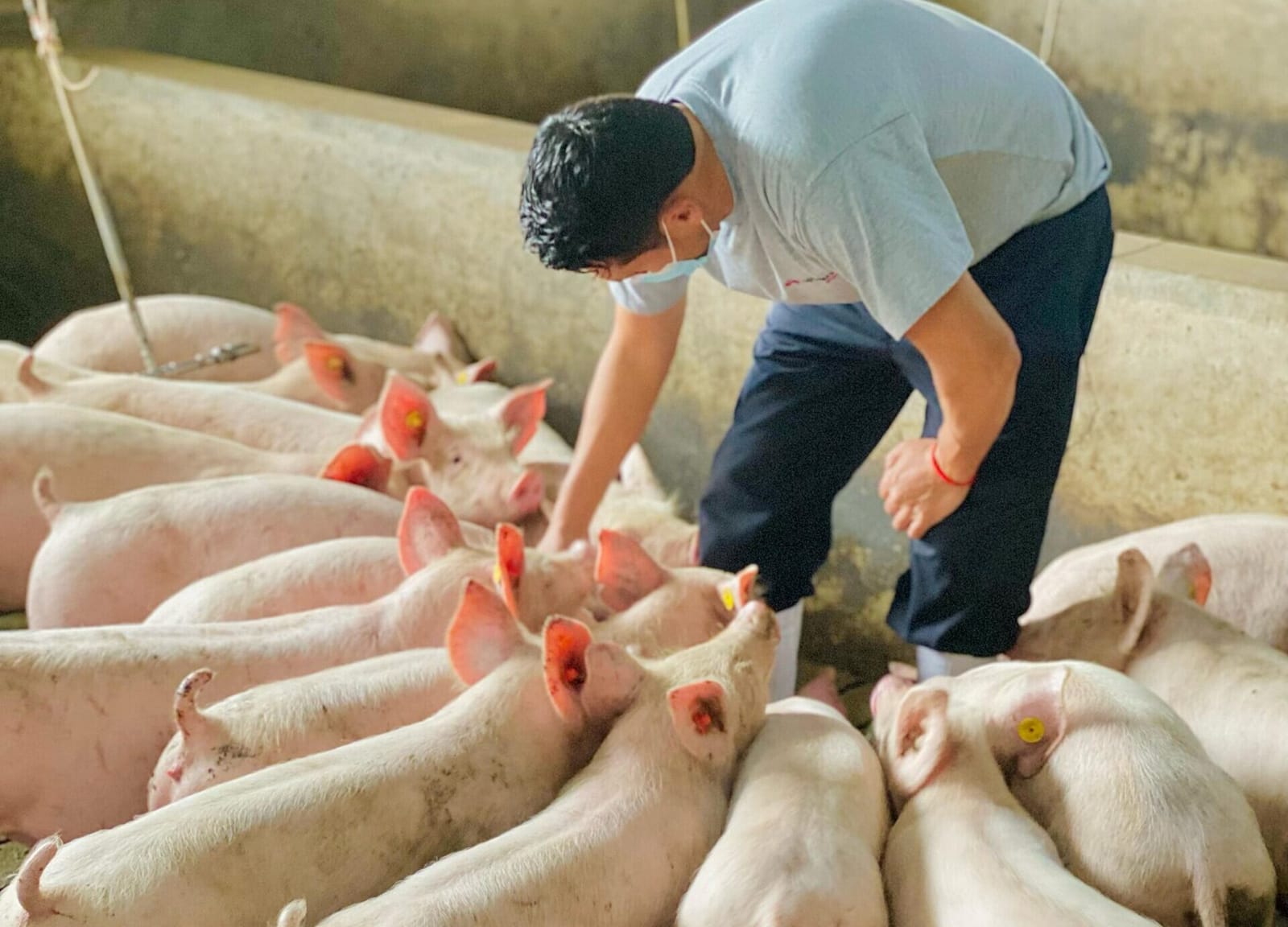
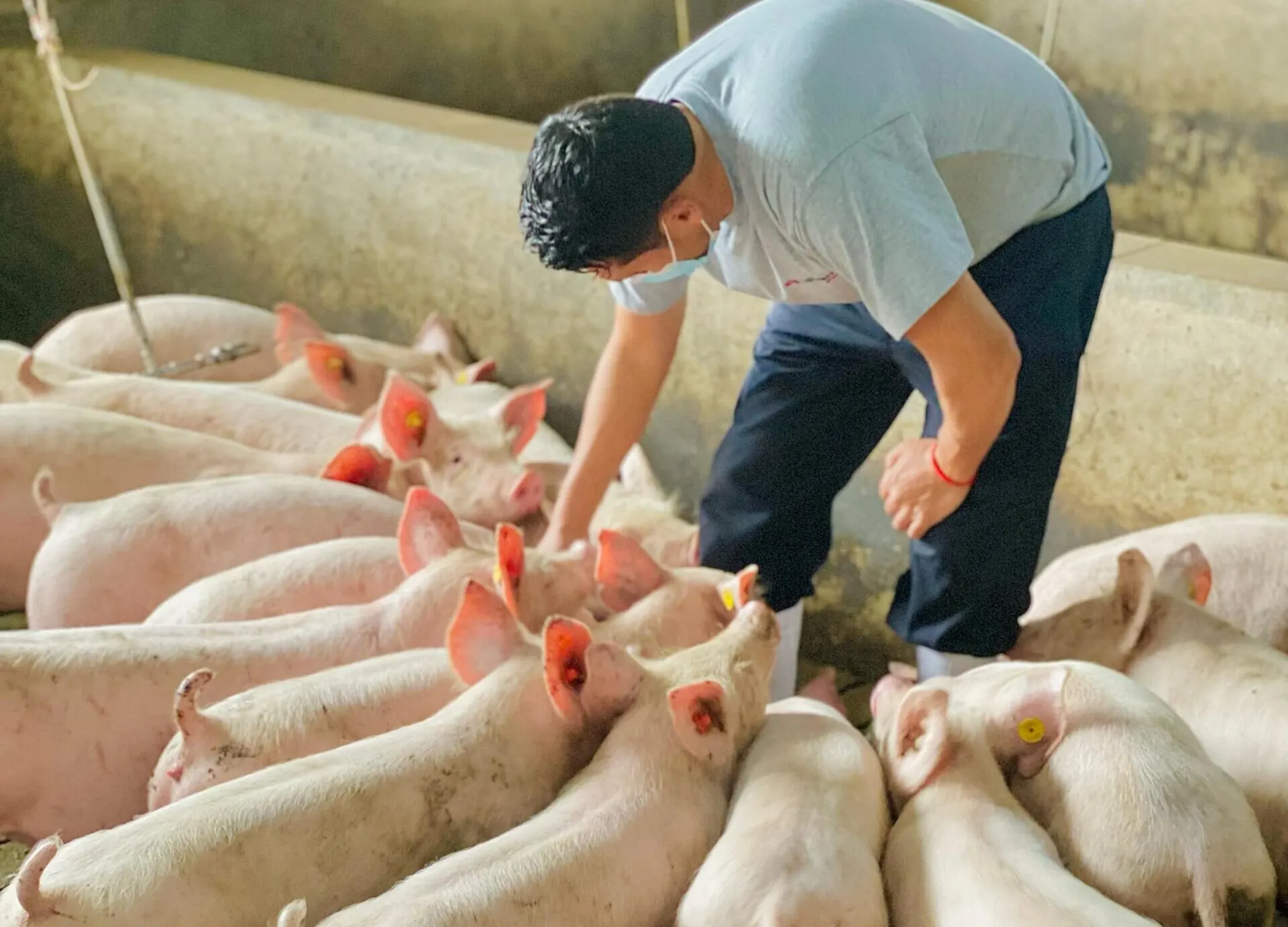
Prevention and biosecurity are the basis of health management on the farms. 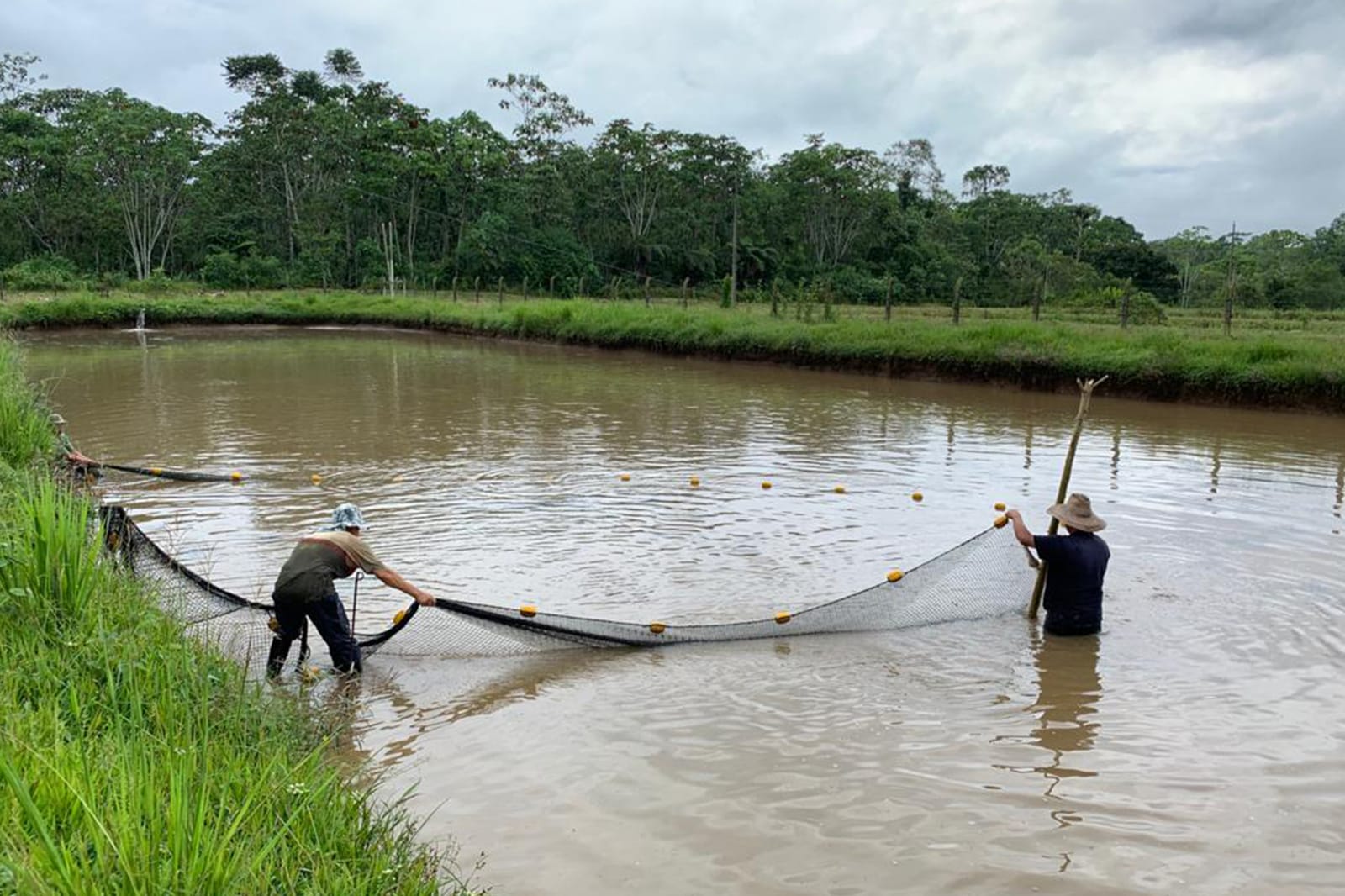
Fish farming is presented as an alternative to fishing with barbasco or dynamite.
What we farm, and what we leave standing
- In production at Lago Agrio
- 15 hectares
- In production at Borja
- 40 hectares
- Not in production at Lago Agrio
- 95 hectares
- Not in production at Borja
- 132 hectares
Areas confirmed by the company on 4 August 2026: 172 hectares at Borja and 110 at Lago Agrio, 55 of them in production. The company states it keeps more than 76 % of its land under conservation.